
Top Destinations to Explore
From the mist-shrouded peaks of Ella to the sacred ruins of Anuradhapura and the sunny shores of Nilaveli Beach, discover the diverse beauty of Sri Lanka.
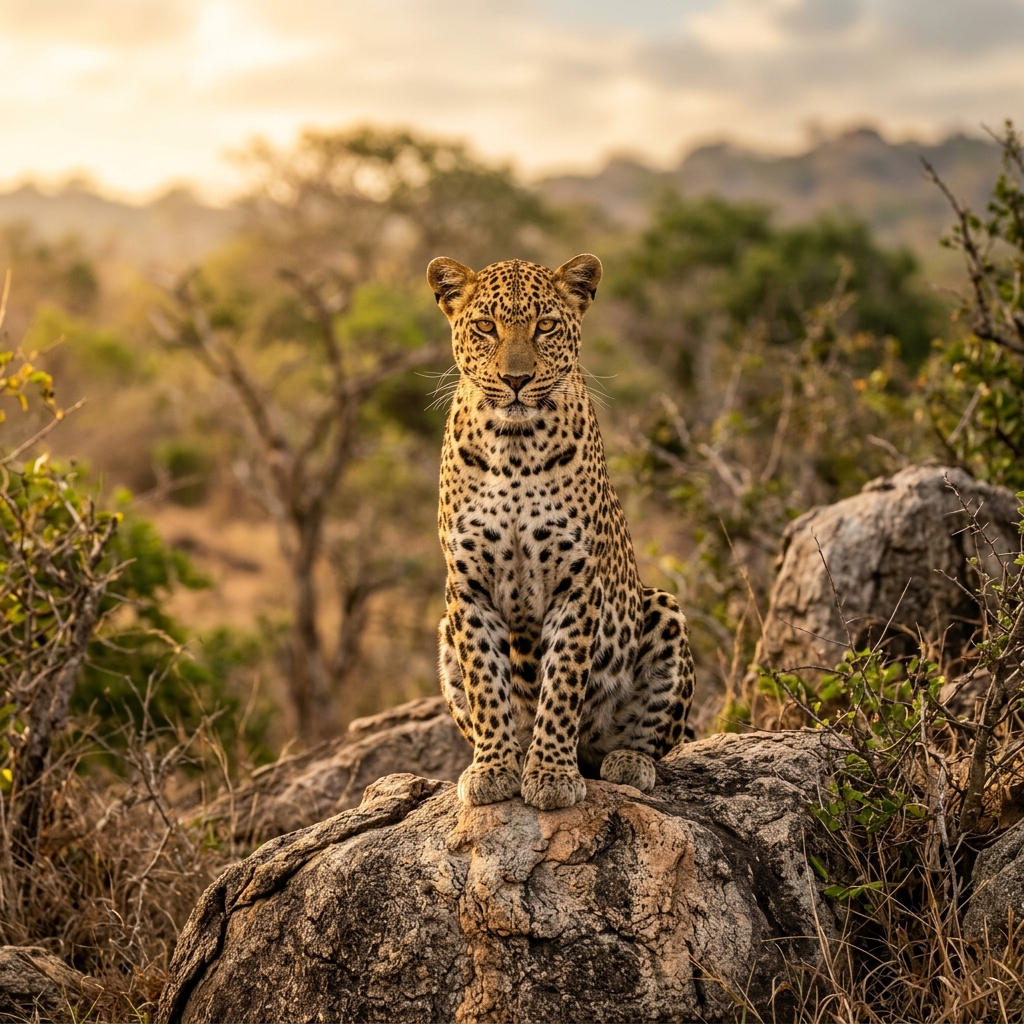 🌤️ Best Time: February to July (Dry Season)
Yala National Park
World’s highest concentration of wild leopards & thriving Asian elephants
Spanning nearly 1,000 square kilometers across the Southern and Uva provinces, Yala is Sri Lanka’s flagship wildlife sanctuary. Its varied ecosystems—from open scrub parkland and dense monsoon forests to brackish freshwater lagoons and coastal dunes—host a breathtaking diversity of exotic wildlife, headed by the apex predator: the Sri Lankan Leopard (Panthera pardus kotiya).
Must-See Highlights:
- • Highest leopard density on earth (Block 1 Ruhuna)
- • Wild Asian elephant herds & natural bathing pools
- • Sloth bears, mugger crocodiles & spotted deer
- • Over 215 bird species including migratory waterfowl
- • Dramatic coastal sand dunes & granite rock wilderness
💡 Gecko Insider Tips:
- Book morning safaris (6:00 AM) or late afternoon safaris (2:30 PM) for the highest predator sighting frequency.
- Wear neutral colors like khaki, olive green, or beige to avoid agitating wild animals.
- Bring a telephoto zoom lens (200-400mm) and protective dust wraps for camera equipment.
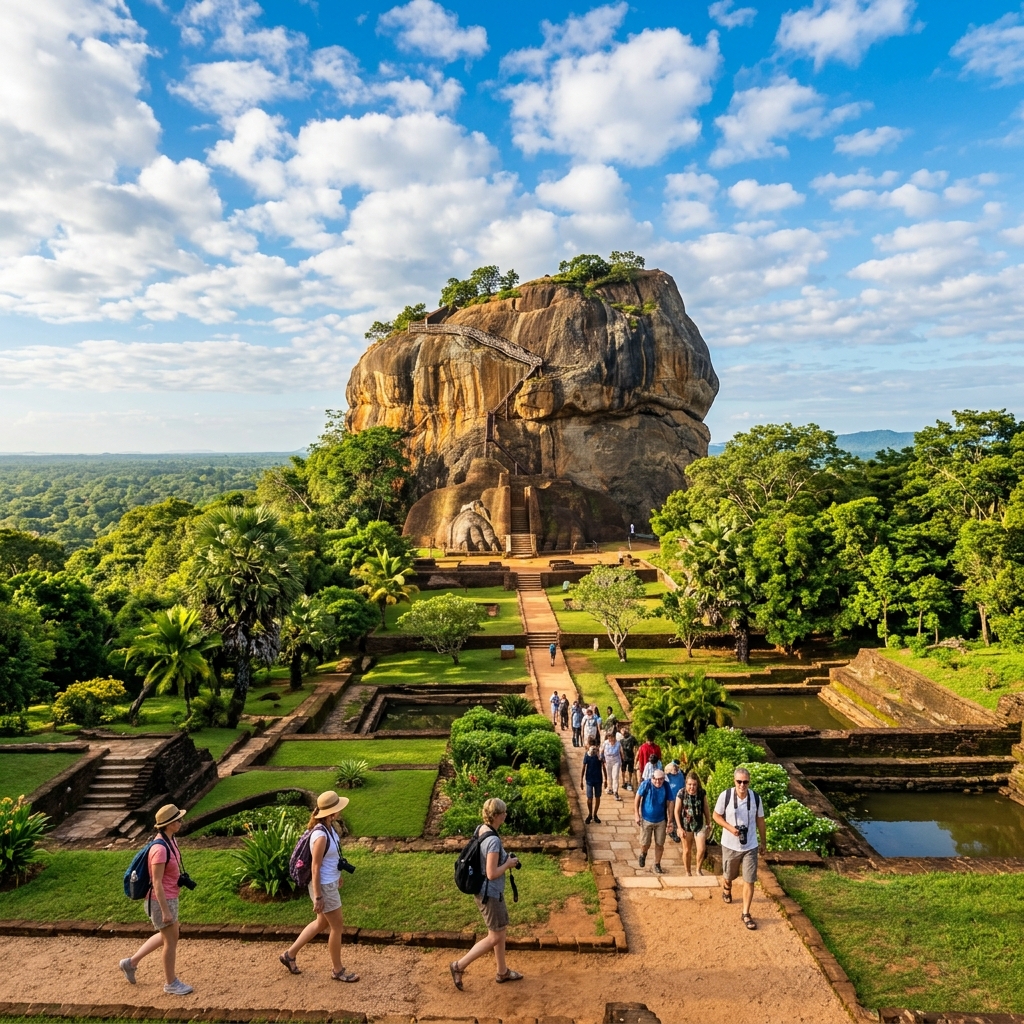 🌤️ Best Time: January to April / July to September
Sigiriya Rock Fortress
UNESCO World Heritage monument rising dramatically 200m above emerald jungles
Built by King Kashyapa in the 5th century AD, Sigiriya is an architectural, hydraulic, and artistic triumph of ancient Asia. Surrounded by symmetrical water gardens, boulder ramparts, and moat fortifications, the summit once supported a sumptuous royal fortress with jaw-dropping 360-degree jungle vistas across the Cultural Triangle.
Must-See Highlights:
- • Royal palace ruins atop an immense 200m sheer granite monolith
- • Exquisite 1,500-year-old painted celestial maiden frescoes
- • The polished Mirror Wall with ancient Sinhala graffiti verses
- • Gigantic stone lion paws guarding the final summit staircase
- • One of the oldest surviving landscaped water gardens in Asia
💡 Gecko Insider Tips:
- Climb early morning (7:00 AM) to beat the tropical midday heat and large crowds.
- Wear comfortable footwear with good grip for the 1,200 steps to the summit plateau.
- Combine with an early sunrise hike at neighboring Pidurangala Rock for the iconic panoramic view of Sigiriya.
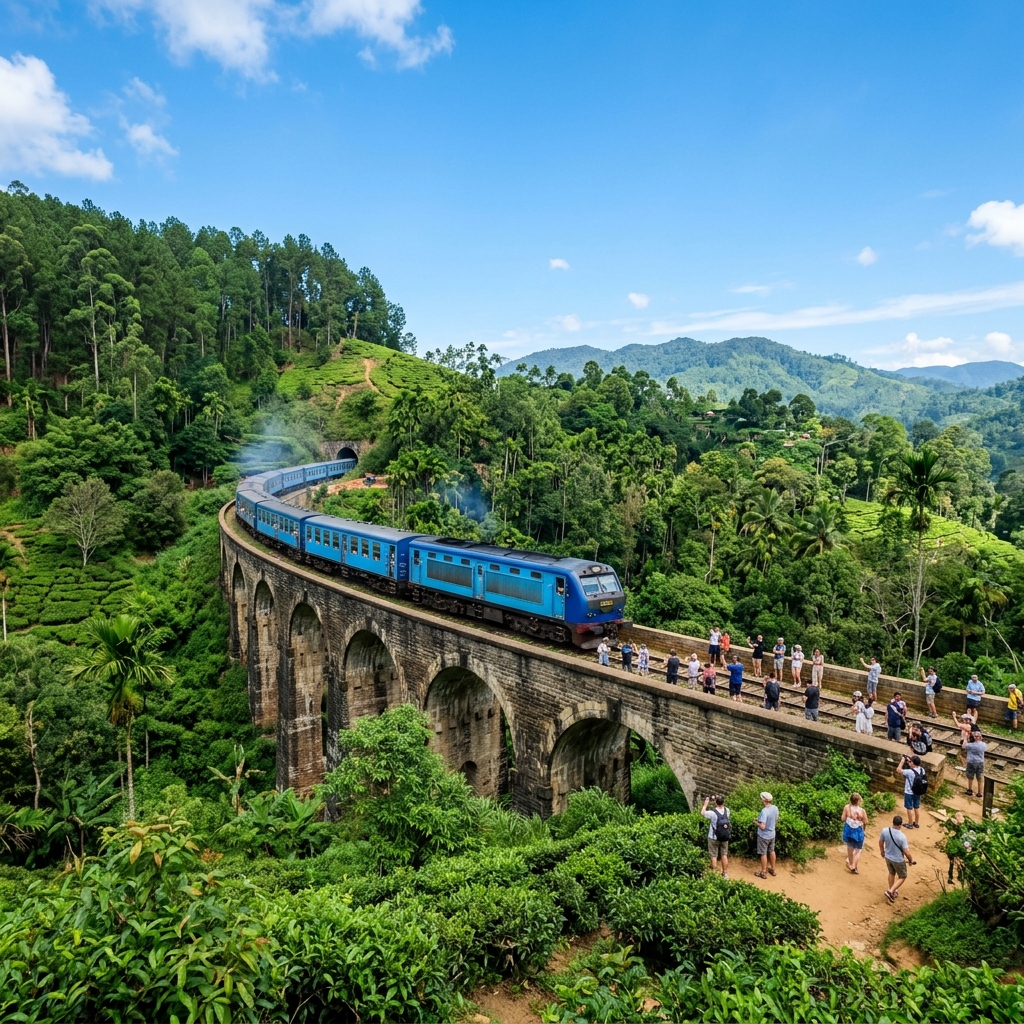 🌤️ Best Time: January to March / July to September
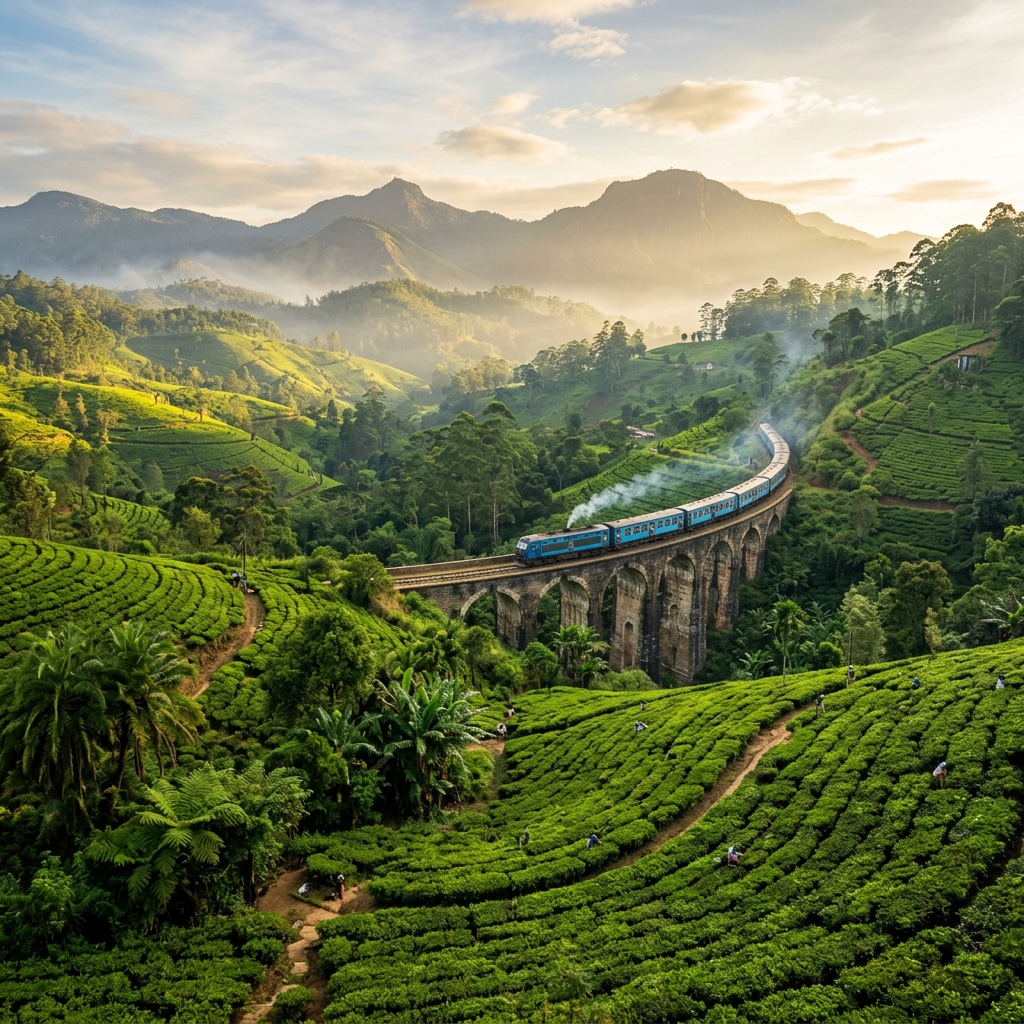
Ella & Nine Arch Bridge
Dramatic mountain gorges, cascading waterfalls, and world-famous scenic railway bridges
Nestled in a lush gap in Sri Lanka’s central mountain ranges, Ella is the island’s favorite highland sanctuary. Surrounded by mist-veiled cloud forests, cascading waterfalls, and rolling emerald tea plantations, it is the premier haven for hikers, photographers, and travelers seeking cool highland relaxation.
Must-See Highlights:
- • The legendary Nine Arch Bridge standing 80ft above jungle tea valleys
- • Highland scenic blue train ride voted one of the most picturesque in the world
- • Hiking Little Adam’s Peak and the challenging trek up Ella Rock
- • Ravana Waterfalls and ancient mythical mountain caves
- • Lush organic tea estates, cycling trails, and flying Ravana zipline
💡 Gecko Insider Tips:
- Time your Nine Arch Bridge visit with scheduled train passing times for iconic photography.
- Pack a light windbreaker or fleece as mountain evenings can get comfortably cool.
- Reserve first-class observation or second-class reserved train tickets well in advance.
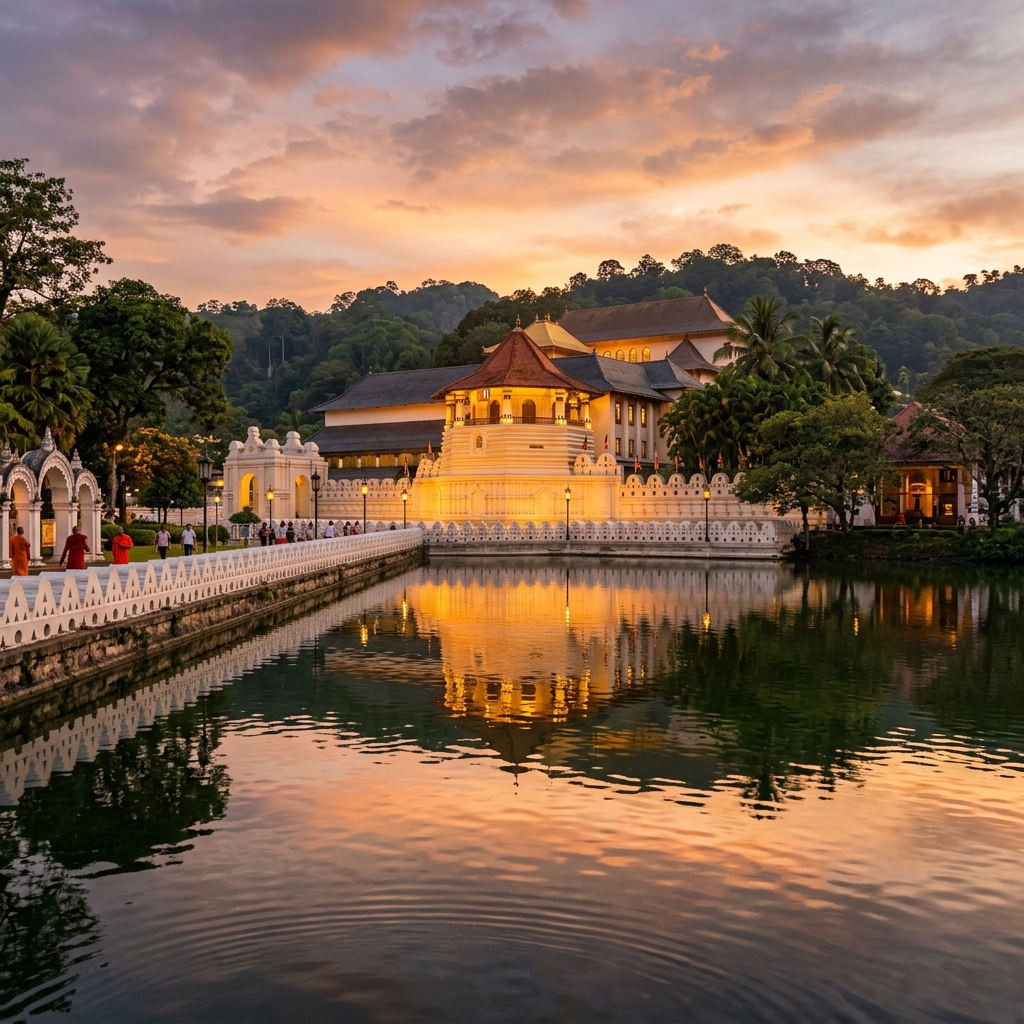 🌤️ Best Time: December to April (Especially July/August for the Esala Perahera grand festival)
Royal Kingdom of Kandy
Home of the revered Temple of the Sacred Tooth Relic and UNESCO Royal Heritage
Surrounded by forested mountain ridges and centered around a picturesque lake, Kandy was the last independent royal capital of Sri Lanka before British colonial rule. It remains the spiritual and cultural heart of the nation, pulsating with sacred living traditions, evening temple drumming rituals, and rich architectural heritage.
Must-See Highlights:
- • Temple of the Sacred Tooth Relic (Sri Dalada Maligawa)
- • Peradeniya Royal Botanical Gardens with giant Royal Palm avenues
- • Vibrant Kandyan cultural dance and rhythmic fire-walking performances
- • Peaceful morning strolls around the scenic forested Kandy Lake
- • Rural village treks in Heel Oya & panoramic Nelligala Buddhist temple
💡 Gecko Insider Tips:
- Temple dress code: Shoulders and knees must be fully covered; white clothing is considered auspicious and respectful.
- Remove hats and shoes before entering temple premises.
- Visit during the evening puja ceremony (6:30 PM) to experience traditional drumming and sacred chants.
 🌤️ Best Time: February to May (Dry, sunny & pleasantly cool)
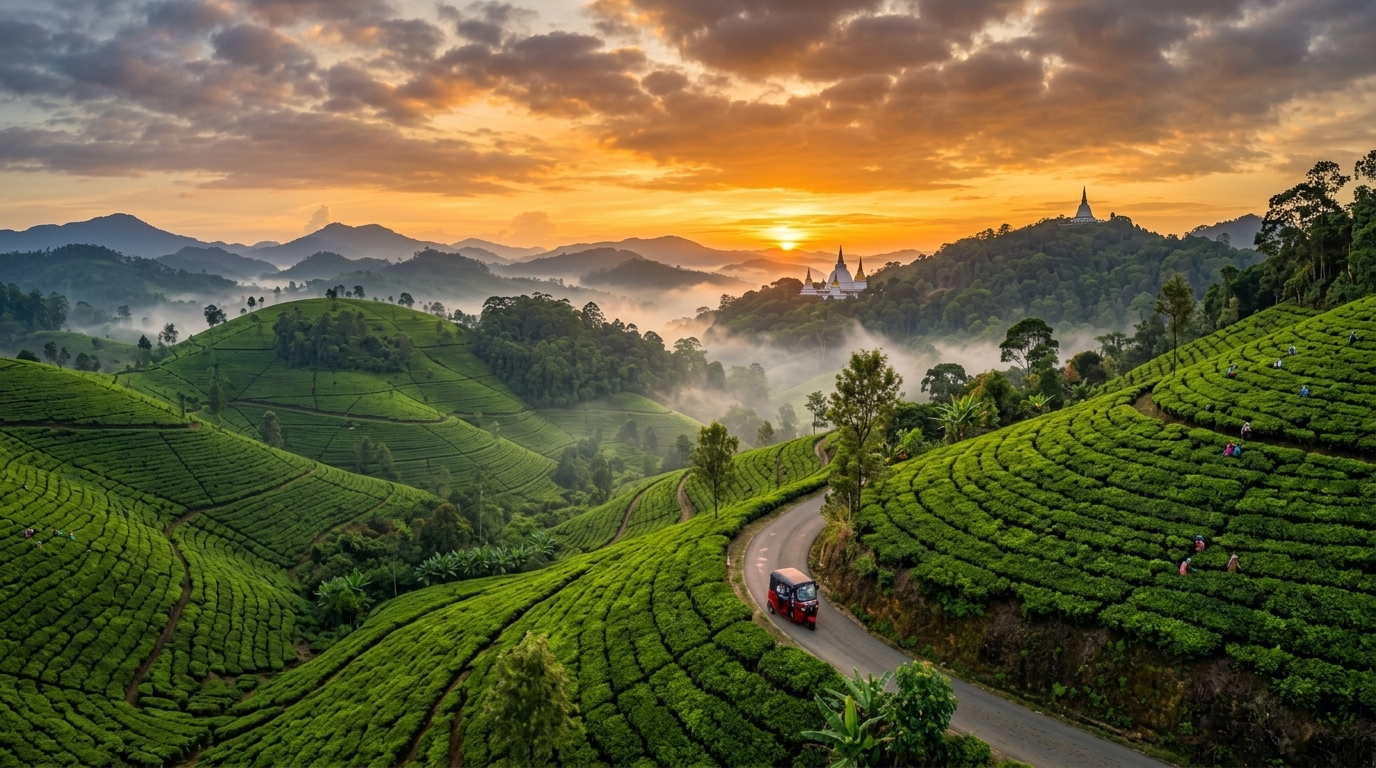
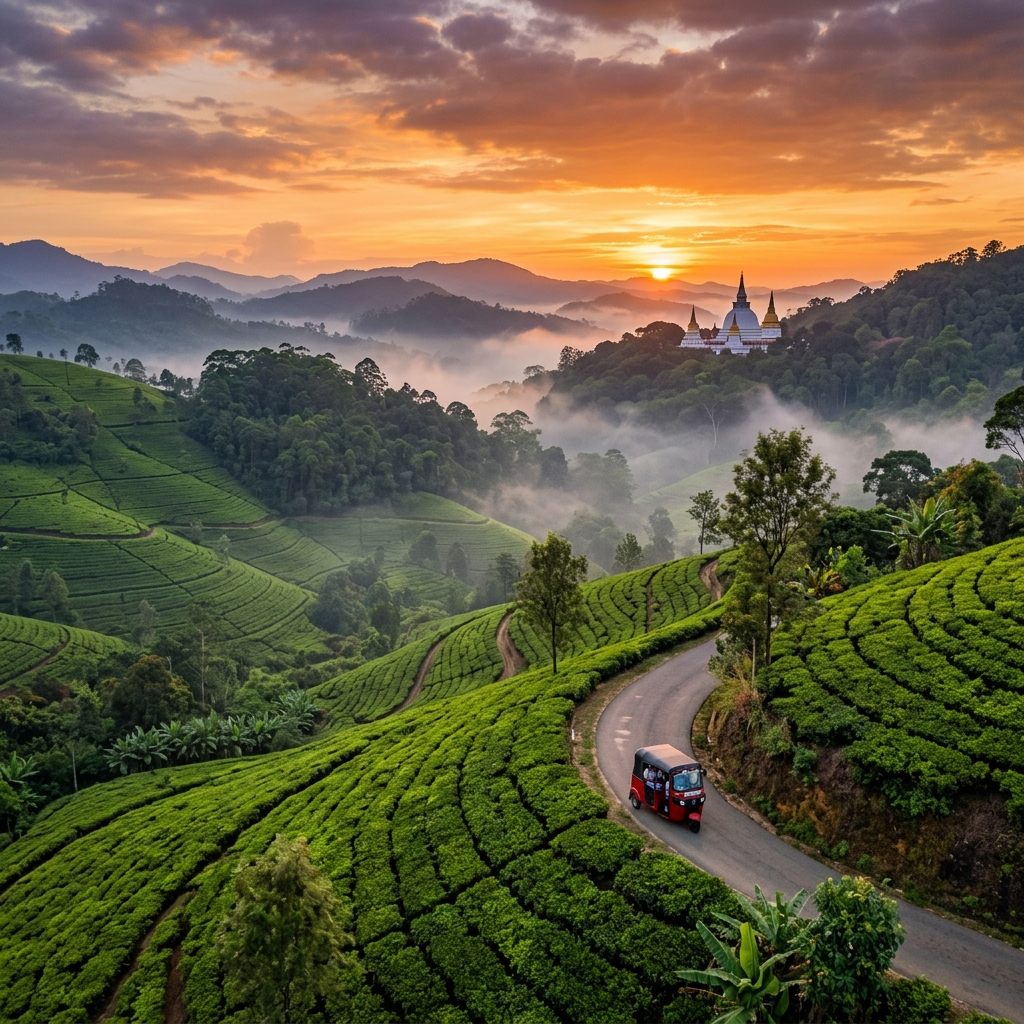
Nuwara Eliya & Tea Country
Misty emerald tea plantations, cool mountain air, colonial heritage & cascading hill country waterfalls
Perched at an elevation of 1,868 meters (6,128 ft) in Sri Lanka’s central mountain heartland, Nuwara Eliya is affectionately celebrated as "Little England". Founded in the 19th century as a cool mountain retreat for British planters, the town retains its charming colonial cottages, manicured golf courses, and picturesque rose gardens. Surrounded by endless rolling hills of lush emerald tea bushes and mist-wreathed mountain peaks, Nuwara Eliya produces the most prized, delicate high-grown Ceylon teas on the global market.
Must-See Highlights:
- • Guided high-grown Ceylon tea factory tours & tastings at Pedro & Bluefield estates
- • Lake Gregory leisure park with scenic boardwalks, swan pedalos & pony rides
- • Victoria Park landscaped gardens and rare Himalayan migratory bird watching
- • British colonial Tudor architecture, red-brick post office & The Grand Hotel
- • Spectacular hill country cascades including Ramboda Falls & Lover’s Leap
💡 Gecko Insider Tips:
- Pack warm evening layers (fleece or light jacket); temperatures can drop to 10°C–14°C after dusk.
- Treat yourself to a traditional English afternoon high tea on the manicured lawns of The Grand Hotel.
- Combine your Nuwara Eliya highland stay with the world-famous scenic blue train journey to Ella.
 🌤️ Best Time: December to April (Warm & dry southern coast season)
Galle Fort & Southern Coast
17th-century ocean ramparts, cobblestone alleys, artisan boutiques & fiery Indian Ocean sunsets
First constructed by the Portuguese in 1588 and extensively fortified by the Dutch East India Company throughout the 17th century, Galle Fort is a UNESCO World Heritage site and the largest intact European-built fortress in Asia. It is unique as a vibrant "living" citadel where centuries-old colonial mansions, Dutch burgher residences, mosques, and churches seamlessly blend with trendy boutique hotels, contemporary art galleries, and local family life—all enveloped by monumental granite sea walls.
Must-See Highlights:
- • Strolling the historic 17th-century Dutch ramparts, bastions & sea walls
- • The iconic white Galle Lighthouse overlooking turquoise coral shallows
- • Dutch Reformed Church (Groote Kerk) & National Maritime Archaeology Museum
- • Chic pedestrian-only cobblestone alleys with artisan gelato, jewelers & art galleries
- • Thrilling sunset spectacle at Flag Rock where local cliff jumpers leap into the surf
💡 Gecko Insider Tips:
- Walk the ocean-facing ramparts during golden hour (5:00 PM – 6:30 PM) for the best ocean breeze and panoramic sunset photos.
- Explore the narrow interior streets on foot; cars are strictly restricted, creating a peaceful European promenade atmosphere.
- Combine your visit with southern coastal excursions like sea turtle hatcheries, river boat safaris, or Mirissa beach.
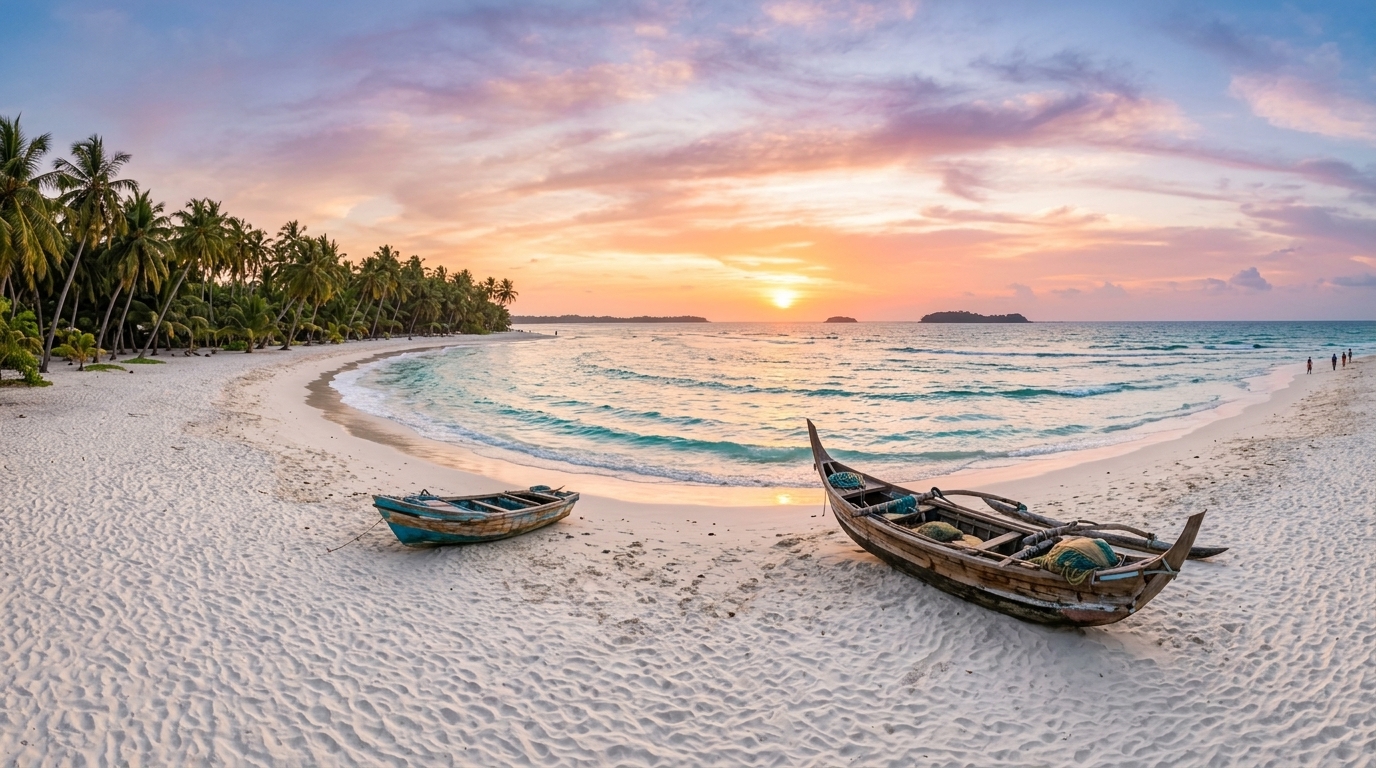
🌤️ Best Time: November to April (Calm seas & peak Blue Whale migration season)Mirissa Beach & Whale Watching
Crescent golden beaches, world-renowned Blue Whale migrations, surf breaks & beachfront seafood grills
Mirissa is the jewel of Sri Lanka’s southern coastline—a picture-perfect crescent of golden sand fringed by swaying coconut palms and turquoise Indian Ocean surf. World-famous as one of the best and most reliable spots on earth for observing the colossal Blue Whale in its natural ocean habitat, Mirissa perfectly balances laid-back coastal relaxation with thrilling marine adventure and lively beachfront dining.
Must-See Highlights:
- • Dawn boat expeditions to observe majestic wild Blue Whales, Sperm Whales & acrobatic spinner dolphins
- • Golden hour photography at the famous Coconut Tree Hill headland overlooking crashing waves
- • Swimming and snorkeling in the secluded, crystal-clear turquoise waters of Secret Beach
- • Catching gentle right-hand surf breaks at Mirissa Point or beginner waves at neighboring Weligama bay
- • Fresh candlelit beachfront seafood barbecues with your feet directly in the warm sand
💡 Gecko Insider Tips:
- Book morning whale watching excursions with vetted, certified boats adhering to ethical wildlife observation distances.
- Climb Coconut Tree Hill early in the morning (6:30 AM – 7:30 AM) to beat the heat and crowds for stunning photos.
- Weligama Bay, located just 10 minutes west, offers Sri Lanka’s premier sandy beach break for beginner surf lessons.
 🌤️ Best Time: April to September (East Coast Summer Season)
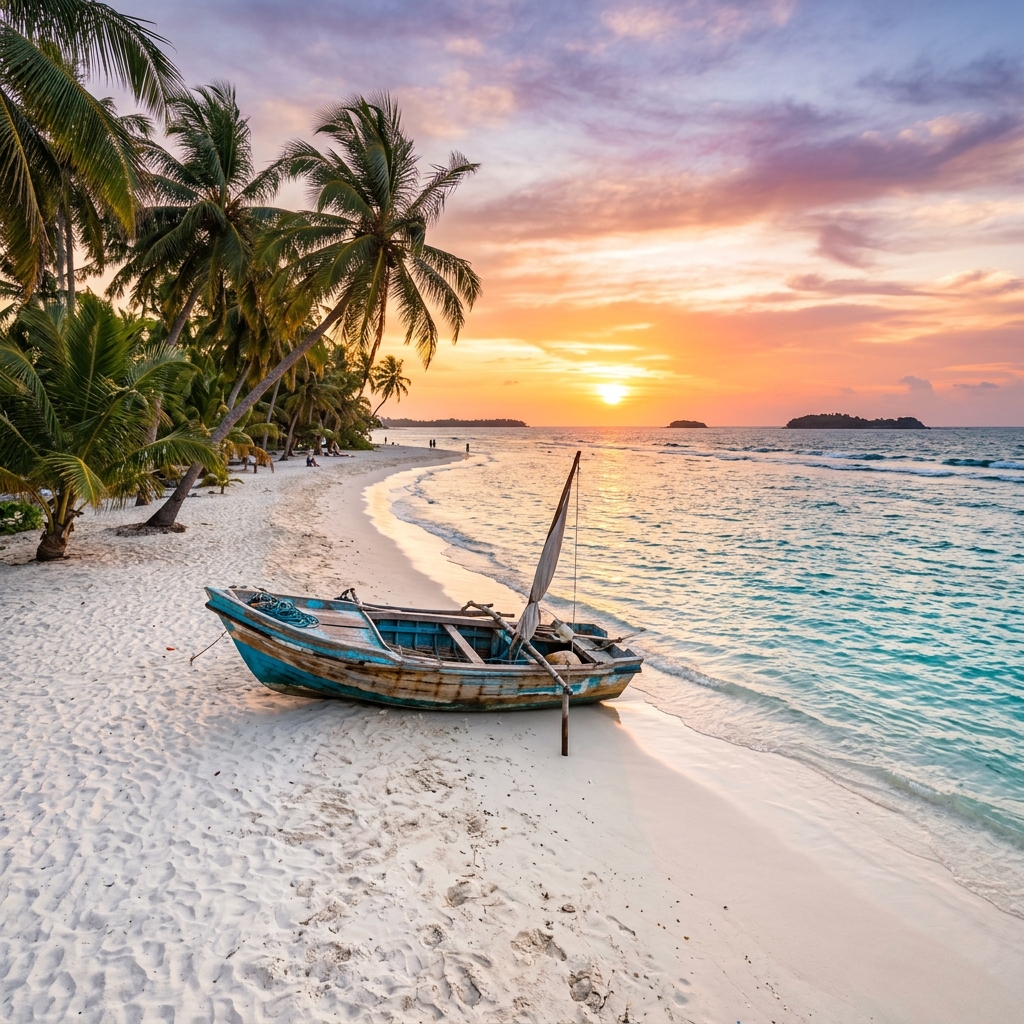
Nilaveli Beach & Pigeon Island
Crystal-clear turquoise waters, coral reefs, and tranquil tropical seclusion
Located just north of Trincomalee on Sri Lanka’s sun-drenched eastern seaboard, Nilaveli boasts some of the calmest, clearest waters in the Indian Ocean. It is the ultimate antidote to hustle and bustle, offering world-class marine life, pristine white sand beaches, and serene palm-shaded relaxation.
Must-See Highlights:
- • Miles of uncrowded, powdery white sand beaches and calm summer waters
- • Pigeon Island Marine National Park coral reef snorkeling
- • Encounters with blacktip reef sharks, green sea turtles & parrotfish
- • Seasonal Blue Whale and dolphin watching off Trincomalee canyon
- • Historic Koneswaram clifftop temple and Fort Frederick nearby
💡 Gecko Insider Tips:
- Bring reef-safe sunscreen to help protect Pigeon Island’s delicate living corals.
- Rent quality snorkel gear or join an experienced local boatman for safety.
- Savor fresh ocean catches like jumbo prawns, crab curry, and grilled seer fish at beachfront shacks.
🌤️ Best Time: April to September (East coast summer season with dry weather & calm flat waters)Trincomalee & East Coast
Ancient clifftop Hindu shrines, historic Fort Frederick & the crystalline turquoise waters of Nilaveli
Endowed with one of the finest, deepest natural harbors in the world, Trincomalee on Sri Lanka’s eastern seaboard is a captivating blend of ancient Dravidian spirituality, colonial maritime history, and sublime tropical beaches. Perched high on the dramatic promontory of Swami Rock, the sacred Koneswaram Temple looks out over infinite azure ocean, while the white sands of Nilaveli just to the north offer Sri Lanka’s calmest summer swimming and snorkeling.
Must-See Highlights:
- • Revered Koneswaram Hindu Kovil perched dramatically on the 400ft sea cliff of Swami Rock
- • Historic 17th-century Fort Frederick where free-roaming spotted deer graze among century-old trees
- • Pigeon Island Marine National Park coral reef snorkeling with turtles and blacktip reef sharks
- • Deep-water marine canyon boat safaris to spot Blue Whales and super-pods of spinner dolphins
- • Relaxing on the powder-soft white sands and wave-sheltered shallows of Nilaveli & Marble Beach
💡 Gecko Insider Tips:
- Trincomalee enjoys its finest dry, sunny weather between May and September, making it the perfect beach destination when the southwest coast is experiencing monsoon.
- Dress modestly (shoulders and knees covered) when visiting sacred Koneswaram Temple grounds.
- Schedule Pigeon Island snorkeling trips in the early morning for the calmest ocean surface and peak coral visibility.
 🌤️ Best Time: May to September / December to March
Anuradhapura Ancient Capital
Monumental stupas, sacred monasteries, and the world’s oldest recorded living tree
Founded in the 4th century BC, Anuradhapura served as the capital of Sri Lanka for over a millennium. Its gigantic brick stupas rivaled the Pyramids of Giza in scale, while its sophisticated reservoir irrigation systems transformed the dry plains into an agricultural empire.
Must-See Highlights:
- • Jaya Sri Maha Bodhi — the sacred sacred fig tree planted in 288 BC
- • Ruwanwelisaya and Jetavanaramaya towering colossal white stupas
- • Intricate moonstones and guardstones at ancient royal monasteries
- • Twin Ponds (Kuttam Pokuna) ancient hydraulic engineering triumphs
- • Peaceful spiritual ambiance across 40 sq km of archaeological parks
💡 Gecko Insider Tips:
- Hire a bicycle or retain your private vehicle to comfortably navigate the vast archaeological grounds.
- Wear socks to protect your bare feet from sun-heated stone paving around stupas.
- Carry ample water and respect quiet contemplation zones around active places of worship.
🌤️ Best Time: January to September (Dry & sunny across Cultural Triangle)Polonnaruwa Ancient Kingdom
UNESCO World Heritage medieval capital, master granite stone carving & monumental lake irrigation
Established as the royal capital in the 11th century following the fall of Anuradhapura, Polonnaruwa represents the golden zenith of medieval Sinhalese civilization. Under visionary monarchs like King Parakramabahu the Great, the city became a beacon of architectural brilliance, Buddhist art, and colossal hydraulic irrigation. Today, its remarkably well-preserved stone shrines, royal pavilions, and monumental Buddha sculptures make it one of Asia’s most captivating archaeological treasures.
Must-See Highlights:
- • Gal Vihara (Rock Monastery) featuring four colossal Buddha figures carved seamlessly from a single granite wall
- • The Sacred Quadrangle (Dalada Maluwa) holding twelve architectural marvels of ancient worship
- • Ruins of King Parakramabahu I’s majestic seven-story Royal Palace and intricately carved Council Chamber
- • Parakrama Samudra — the breathtaking 12th-century artificial inland sea reservoir
- • Leisurely bicycle rides along shaded archaeological parkways surrounded by playful toque macaques
💡 Gecko Insider Tips:
- Rent a bicycle or use your private air-conditioned vehicle to navigate comfortably between monument clusters across the vast 4-mile park.
- Always remove shoes and hats before entering temple platforms; bring thick socks to walk comfortably on sun-baked granite stones.
- Pair morning exploration of Polonnaruwa with a late-afternoon wild elephant safari at neighboring Minneriya or Kaudulla.
 🌤️ Best Time: February to October (Especially May to September when animals gather at natural villus)
Wilpattu National Park
Sri Lanka’s largest national park: tranquil wilderness, 106 natural rainwater lakes, leopards & sloth bears
Spanning 1,317 square kilometers in northwestern Sri Lanka, Wilpattu is the island’s largest and oldest national park. Renowned for its unique topography of dense dry lowland forest interspersed with over 100 natural sand-rimmed lakes ("villus"), Wilpattu provides an exceptionally tranquil, unhurried safari experience where wildlife tracking feels completely authentic and undisturbed by mass tourism.
Must-See Highlights:
- • Over 106 natural sand-rimmed rainwater basins (villus) creating scenic wildlife amphitheaters
- • Healthy population of Sri Lankan leopards in a peaceful, uncrowded safari atmosphere
- • Premier reserve in Asia to encounter the reclusive Sri Lankan sloth bear feeding on wild Palu fruits
- • Abundant herds of barking deer, spotted deer, wild water buffalo & mugger crocodiles
- • Prolific forest birdlife including painted storks, white-bellied sea eagles & Ceylon junglefowl
💡 Gecko Insider Tips:
- Wilpattu is expansive; full-day or early-morning (6:00 AM) safaris give the highest probability of spotting leopards sunning on villu sands.
- Bring quality binoculars (8x42 or 10x42) and a 300mm+ telephoto camera lens, as jungle tracks require keen spotting through forest clearings.
- Wilpattu is easily combined with the sacred ancient capital of Anuradhapura, located just 45 minutes to the east.
🌤️ Best Time: January to March (Clearest mornings with minimal cloud cover before 9:30 AM)Horton Plains National Park & World’s End
Ethereal highland plateau, mossy cloud forests, Baker’s Falls & the dizzying 880m World’s End precipice
Occupying an isolated windswept plateau at an elevation over 2,100 meters (6,900 ft) in the central highlands, Horton Plains is Sri Lanka’s highest national park and a UNESCO World Heritage site. Featuring a 9.5-kilometer scenic circular loop trail, it takes hikers through stunted moss-draped cloud forests, open montane grasslands, and crystal-clear mountain streams, culminating at the dizzying abyss of World’s End where the plateau drops vertically nearly 1 kilometer into the valley below.
Must-See Highlights:
- • World’s End — a breathtaking sheer vertical drop of 880 meters (2,887 ft) over the southern tea plains
- • Mini World’s End offering equally dramatic cliff views with fewer crowds
- • Baker’s Falls, a thunderous 20-meter cascade surrounded by giant rhododendrons & tree ferns
- • Large herds of wild Sambar deer grazing calmly across golden montane grasslands
- • Endemic cloud forest birds including the Sri Lanka whistling thrush & yellow-eared bulbul
💡 Gecko Insider Tips:
- Enter the park gate by 6:00 AM to 6:30 AM; thick mist and cloud cover typically envelope World's End by 9:30 AM, obscuring the view.
- Strict zero-plastic policy: Single-use polythene bags and plastic wrappers are removed at the gate; bring reusable water flasks.
- Wear sturdy walking shoes and layer your clothing; early mornings are crisp (5°C–10°C) before warming up under the highland sun.