
Best Time to Visit Sri Lanka: A Month-by-Month Weather Guide
Sri Lanka is a year-round destination, but the weather can vary considerably between its coastlines and the central highlands. While one side of the island may be enjoying sunny beach weather, the other can be experiencing heavy rain. Choosing the right route and timing can make a real difference to your holiday. If you are deciding on the best time to visit Sri Lanka, start by listing the regions you most want to see.
The best time to visit Sri Lanka depends on the places you want to explore. There is no single answer to the best time to visit Sri Lanka for every type of holiday. The south and west coasts are generally at their sunniest from December to April, while the east coast is usually more favourable from May to September. The hill country has a cooler climate and can experience rain throughout the year.
This guide explains the monsoon seasons, what to expect each month and how to plan a route around the weather. It will help you identify the best time to visit Sri Lanka for your own travel plans.
Understanding Sri Lanka’s Two Monsoon Seasons
Sri Lanka has two main monsoon systems. They affect different parts of the island, which is why there is no single rainy season that applies everywhere.
Southwest monsoon: May to September
The southwest monsoon, often called the Yala monsoon, brings rain and stronger winds to the south-western coast and parts of the western hill country. Beaches around Colombo, Bentota, Galle and Mirissa can be rougher during this period.
The east coast, including areas such as Trincomalee, Nilaveli and Pasikudah, is generally drier and better suited to beach holidays at this time.
Northeast monsoon: December to February
The northeast monsoon, also known as the Maha monsoon, mainly affects the northern and eastern parts of Sri Lanka. The east coast can experience heavier rain and rougher sea conditions, while the south and west coasts are often enjoying their more favourable beach season.
Inter-monsoon periods
March and April, and again October and November, are inter-monsoon periods. Rain can occur across several regions, sometimes as short, heavy afternoon or evening showers. October and November can be particularly changeable.
These are broad seasonal patterns rather than guarantees. The monsoon season Sri Lanka experiences can vary in intensity from year to year. Local conditions vary, so check a current forecast before travelling.
Best Time to Visit Sri Lanka by Region
South and west coast
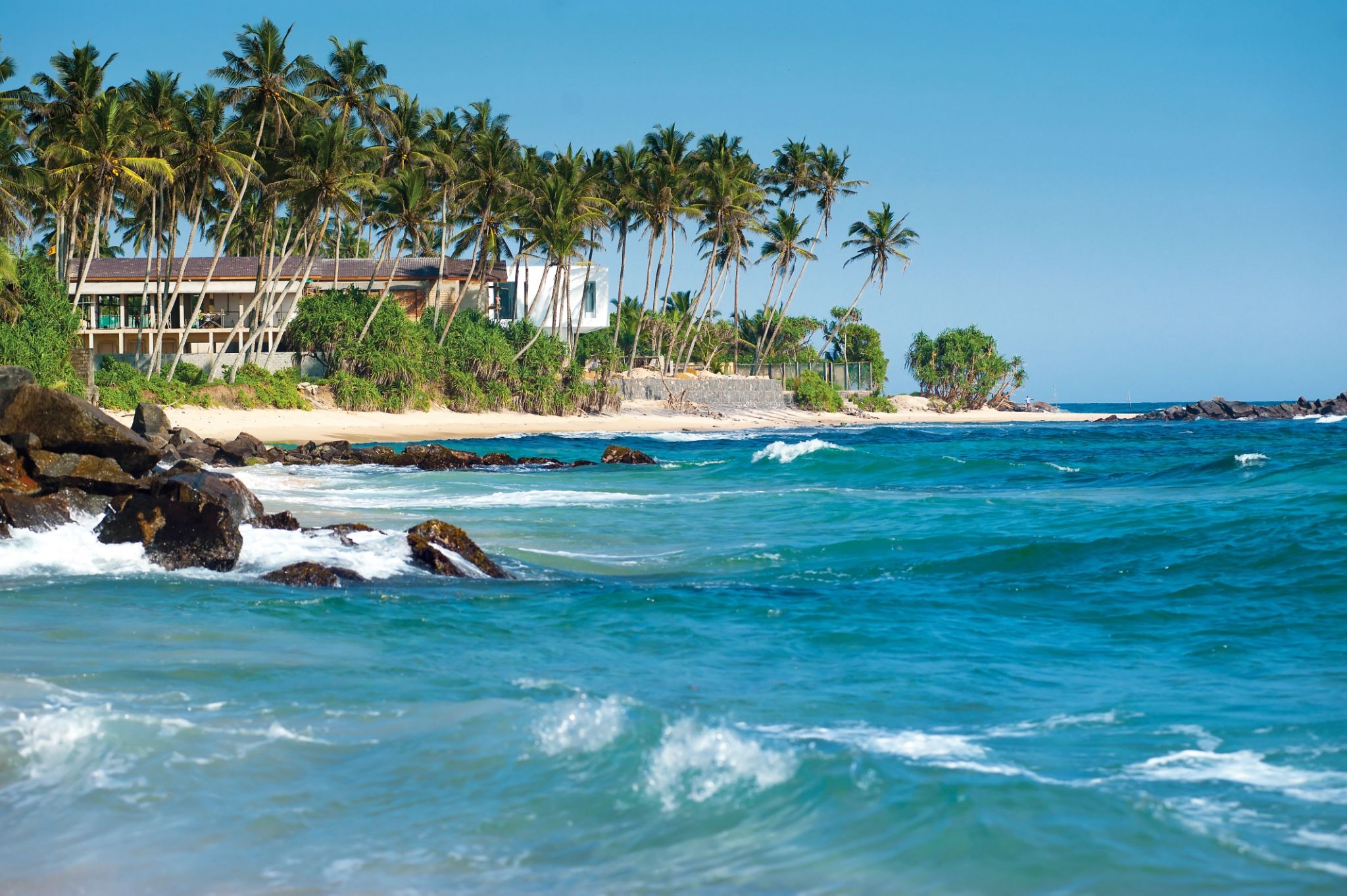
For beach stays around Galle, Unawatuna, Mirissa and Bentota, December to April is generally the most reliable period. The sea is often calmer, and conditions are usually suitable for swimming, boat trips and coastal sightseeing.
May to September tends to bring more rain and rougher seas. Some hotels and attractions remain open, but beach conditions may be less predictable.
East coast
The east coast is usually at its best from May to September. Trincomalee, Nilaveli, Pasikudah and Arugam Bay are popular choices during these months. Depending on the location, visitors can enjoy beaches, snorkelling, diving and surfing.
From December to February, the northeast monsoon can bring rain and unsettled seas to this region.
Hill country
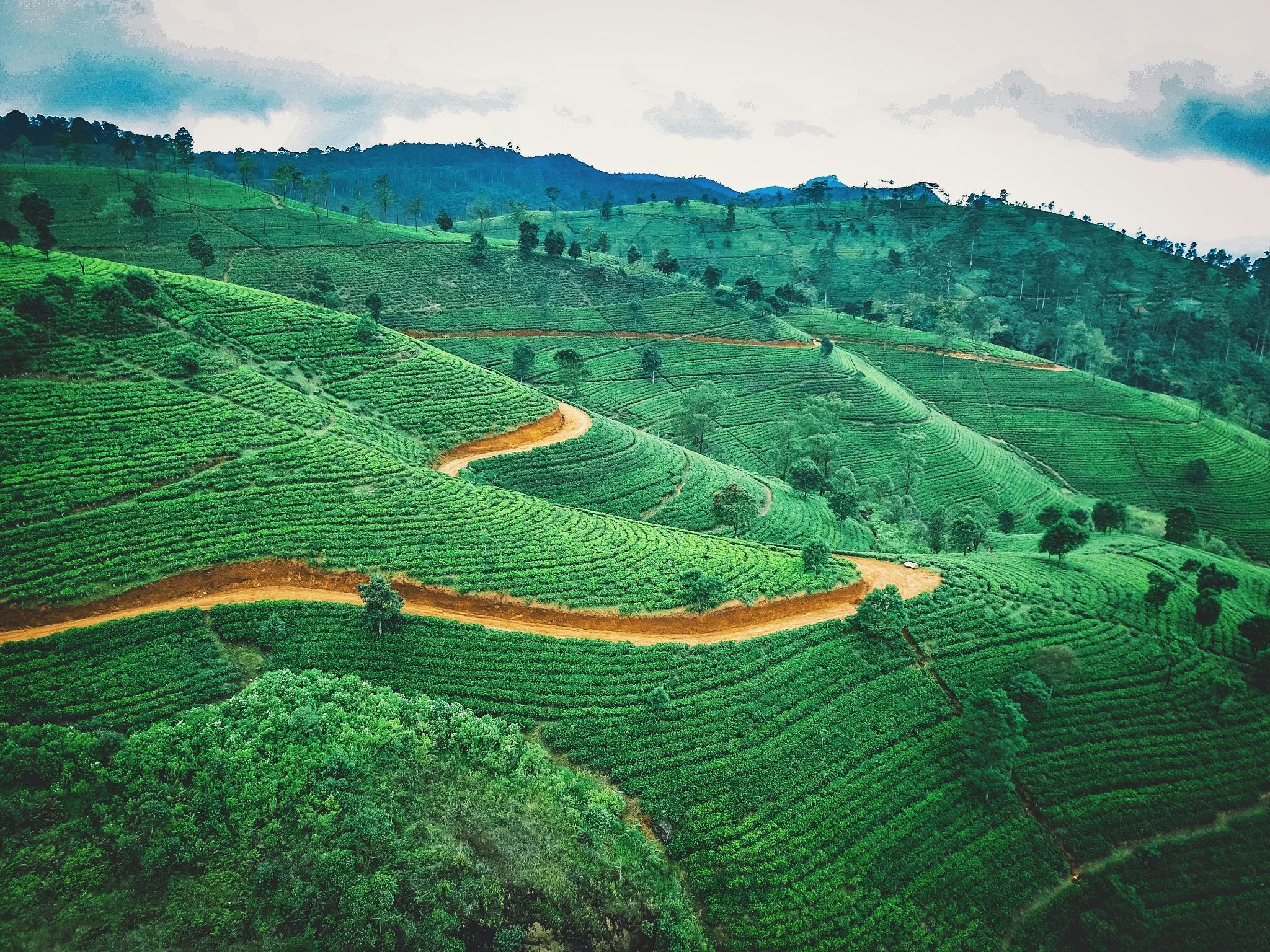
Nuwara Eliya, Ella and the surrounding tea-growing areas are cooler than the coast. There is no completely dry season across the highlands, and mist or showers can occur at any time. January to April is often a favourable period for clearer views in many areas, although conditions can change quickly.
Pack a light waterproof layer and warmer clothing, especially for early mornings and evenings.
Cultural Triangle and ancient cities
The Cultural Triangle, including Sigiriya, Dambulla, Polonnaruwa and Anuradhapura, can be visited throughout the year. January to April is often relatively dry, while the period from May to September can also be suitable for exploring, although temperatures may be high.
Start outdoor visits early in the day, carry water and use sun protection.
Sri Lanka Weather by Month: January to December
Use this month-by-month overview as a planning guide. It gives a useful picture of Sri Lanka weather by month, but it is a general guide rather than a daily forecast. Conditions can change within a region, so check locally before setting out.
Festivals and Seasonal Experiences
Weather is only one part of choosing your travel dates. Sri Lanka’s cultural calendar can also shape your experience.
Sinhala and Tamil New Year (April): Families celebrate with traditional food, games and customs. Some businesses may close or operate on reduced hours.
Vesak (usually May): Streets and towns are decorated with lanterns and illuminated displays to mark an important Buddhist festival.
Kandy Esala Perahera (usually July or August): A major cultural procession featuring traditional dancers, drummers and decorated elephants. Exact dates vary each year.
Deepavali (October or November): The Hindu festival of lights is celebrated by communities across the island. The date changes annually.
If you plan to travel during a major festival, book accommodation and transport early, especially in popular destinations.
When to Travel to Sri Lanka for Your Holiday Style
When considering when to travel to Sri Lanka, think about the experiences that matter most to you. The right month also depends on what you want to do.
Beach holidays: Choose December to April for the south and west coasts, or May to September for the east coast.
Wildlife safaris: Wildlife viewing is possible throughout the year, but the best area can change with rainfall and animal movements. Select parks according to your route and current conditions rather than assuming one month is best everywhere.
Hiking and scenery: January to April can offer clearer conditions in parts of the hill country, but showers are possible year-round. Carry suitable footwear and rain protection.
Culture and heritage: Ancient cities and temples can be visited in most months. Plan outdoor sightseeing for the cooler morning hours.
Surfing: Arugam Bay is especially popular during the east coast season, broadly from May to September. Surf conditions still depend on the day’s swell and weather.
Final Thoughts
There is no single month that suits every part of Sri Lanka. The south and west coasts are generally more favourable from December to April, while the east coast usually has its stronger beach season from May to September. The hill country and cultural sites can fit into a trip throughout the year with some flexibility.
The best time to visit Sri Lanka is ultimately the period that matches your preferred destinations and activities. For many travellers, the best time to visit Sri Lanka is not one fixed month but a route that follows the more favourable regional weather.
Frequently Asked Questions
1. What is the best month to visit Sri Lanka?
February is often a good all-round choice for the south and west coasts, cultural sites and parts of the hill country. It is often recommended as the best time to visit Sri Lanka for a first trip focused on these regions. However, the east coast has a different season, so the ideal month depends on your itinerary.
2. When is the rainy season in Sri Lanka?
Sri Lanka has two main monsoons rather than one island-wide rainy season. The southwest monsoon generally affects the south and west from May to September, while the northeast monsoon mainly affects the north and east from December to February.
3. Is July a good time to visit Sri Lanka?
Yes, July can be a good time to visit the east coast, including Trincomalee, Nilaveli and Arugam Bay. The south-western coast is more likely to be wet and windy.
4. Is October a bad month to visit Sri Lanka?
Not necessarily. October is an inter-monsoon month, so rain can occur in several regions. You can still travel, but it is sensible to keep plans flexible and avoid relying on uninterrupted beach weather.
5. What is the hottest month in Sri Lanka?
Temperatures are high throughout much of the year, particularly in lowland and coastal areas. March and April are often among the hottest months, but heat and humidity vary by location.
6. Can I visit both the east and south coasts on one trip?
Yes, but their best beach seasons do not perfectly overlap. If you want to include both, allow enough time for travel and be prepared for less settled weather on one coast. Choose the route based on your priorities and travel dates.
Planning a Route Around the Seasons
You do not have to avoid Sri Lanka during a monsoon. The monsoon season Sri Lanka experiences affects different regions at different times, so plan your itinerary around the areas more likely to have favourable conditions.
For example, a December-to-April trip could combine the Cultural Triangle, Kandy and the hill country with time on the south or west coast. From May to September, you could explore the cultural sites and hill country before heading towards Trincomalee, Nilaveli or Pasikudah.
If your dates fall in October or November, keep the route flexible and allow room to adjust outdoor activities if heavy rain affects a particular area.
A private itinerary makes it easier to arrange the order of destinations around seasonal conditions. You can explore Gecko Travels Lanka’s tailor-made tours or browse beach accommodation on Sri Lanka’s east coast when planning your stay.