
Pigeon Island Snorkeling: A Complete Guide to Exploring Sri Lanka’s Coral Reefs
Imagine slipping into clear, shallow water and seeing colourful fish moving between coral formations beneath you. A short boat ride from Nilaveli Beach, Pigeon Island offers one of Sri Lanka’s most accessible opportunities to explore a tropical marine environment.
Located off the coast of Trincomalee, Pigeon Island snorkeling is a popular activity for visitors who want to experience the island’s underwater life without travelling far offshore. The protected area is known for its coral reefs, tropical fish, sea turtles and blacktip reef sharks.
Whether you are a confident swimmer or trying snorkelling for the first time, a little preparation can make your visit more enjoyable. This guide covers what to expect, how to get there, when to go and how to explore the reef responsibly.
Where Is Pigeon Island National Park?
Pigeon Island National Park is located approximately one kilometre off Nilaveli Beach, north of Trincomalee on Sri Lanka’s eastern coast. It is a marine national park made up of two small islands: Large Pigeon Island and Small Pigeon Island.
The larger island is surrounded by a coral reef, creating a habitat for different types of marine life. The park protects an important section of Sri Lanka’s coastal ecosystem, with a variety of coral species and reef fish.
The island takes its name from the rock pigeons that inhabit it. However, most visitors come for the marine environment rather than the land itself.
Its location also makes it convenient to include in a wider east-coast holiday. Travellers staying in Nilaveli or Trincomalee can arrange a boat excursion without making a long journey to reach the reef.
What Makes Pigeon Island Snorkeling Special?
The main attraction is the opportunity to observe marine life in relatively shallow water. Unlike some diving locations that require specialist equipment and training, snorkelling allows visitors to explore the surface of the sea using a mask and breathing tube.
The Pigeon Island coral reef is home to a variety of underwater habitats. Depending on the conditions and where you swim, you may see:
Tropical reef fish: Parrotfish, butterflyfish, angelfish and other colourful species move around the coral formations.
Blacktip reef sharks: These sharks are among the best-known animals associated with the park. They may be seen swimming through shallow areas, although sightings are never guaranteed.
Sea turtles: Green turtles and hawksbill turtles are among the species recorded around the area. Seeing one depends on natural wildlife activity.
Different coral formations: Branching and table-shaped corals create shelter and feeding areas for smaller marine animals.
The experience is not necessarily about seeing every species on a checklist. Sometimes the most memorable part is simply floating above the reef and watching the movement of fish through the water.
Remember that marine animals are wild. Keep a respectful distance, avoid chasing them and never try to touch or feed them.
Snorkeling or Scuba Diving: Which Should You Choose?
Pigeon Island offers opportunities for both snorkelling and scuba diving, but the experiences are different.
Snorkelling is generally the more accessible option. You remain near the water’s surface, using a mask and snorkel to observe the reef below. It is suitable for visitors who want to explore the shallow areas without undertaking a full scuba-diving activity.
Scuba diving allows certified divers to explore deeper underwater areas using specialist breathing equipment. It can provide a different perspective on the reef and its marine life. Diving arrangements should be made through a suitably qualified operator, with the activity and conditions matched to your certification and experience.
For most casual visitors, snorkelling is a practical way to enjoy the marine environment during a short visit. If you are interested in scuba diving, ask local operators about available guided experiences and requirements before travelling.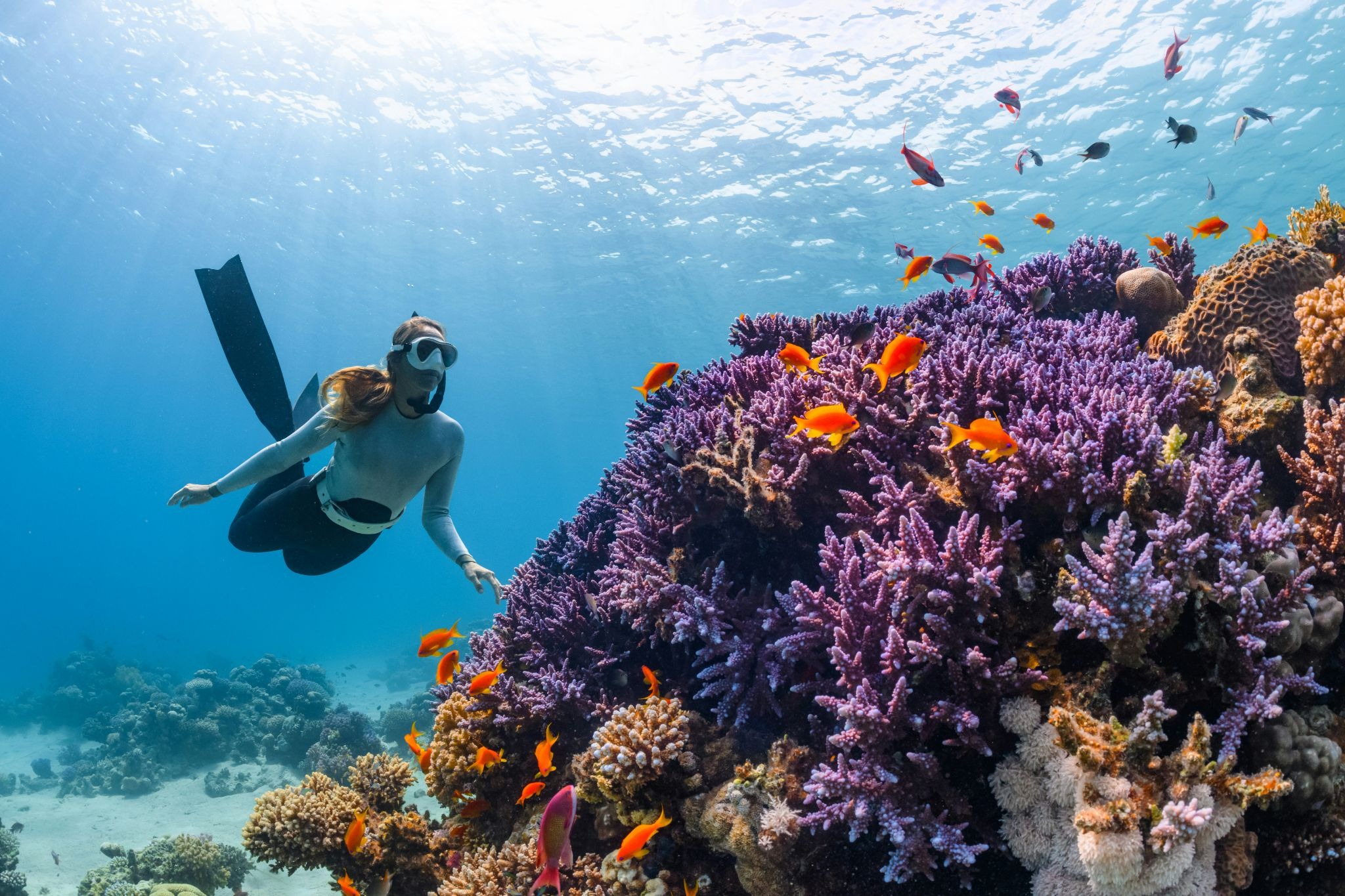
How to Reach Pigeon Island from Nilaveli
A boat transfer from Nilaveli Beach is the usual way to reach Pigeon Island National Park. The island is just offshore, so the journey is relatively short.
Most visitors arrange a Pigeon Island boat trip through a local operator along Nilaveli Beach or through their accommodation. Depending on the arrangement, the excursion may include a return transfer, snorkelling equipment and assistance from a guide.
Before confirming your trip, check what is included. In particular, ask whether the quoted amount covers:
Return boat transport.
National park entrance permits and applicable charges.
Mask, snorkel and fins.
Life jackets or flotation equipment.
A guide or assistance during the activity.
The national park entrance fee and boat transfer are separate costs, so do not assume that one automatically includes the other. Charges can change, and the final amount may depend on visitor category, group size and operator.
You can check park permit arrangements through the Department of Wildlife Conservation's official eServices or use its online national park permit reservation service.
Best Time to Visit Pigeon Island
Choosing the right season is important because sea conditions affect boat access and underwater visibility.
The east coast of Sri Lanka generally has its drier season from around April to September. This is usually the most favourable period for visiting Nilaveli and planning Pigeon Island snorkeling.
May to September is commonly recommended for the activity, with calmer seas and better conditions for exploring the reef. The northeast monsoon, which generally affects the region from around October onwards and into the early part of the following year, can bring rougher seas and make boat trips less reliable.
However, seasonal patterns are not a guarantee of daily conditions. Wind, rainfall and sea conditions can change, and the park may restrict access when it is unsafe to operate boats.
For the best chance of a comfortable experience:
Plan your visit during the east coast's generally calmer months.
Check the sea conditions with your accommodation or boat operator.
Avoid travelling on a day when operators advise against going out.
Keep some flexibility in your itinerary in case the excursion needs to be postponed.
The best time to visit Pigeon Island is ultimately when the sea is safe, the boat service is operating and visibility is suitable for the activity.
What to Bring for Your Snorkelling Trip
A little preparation can make your time in the water more comfortable. Although some operators provide equipment, bringing a few personal items is useful.
Essential items include:
Swimwear: Wear comfortable swimwear under your clothes so you are ready when you reach the beach.
Mask and snorkel: You may be able to hire these locally, but your own equipment can offer a more comfortable fit.
Fins: These help you move through the water more efficiently. Use them carefully around the reef.
Rash vest: A lightweight swim shirt provides sun protection and reduces the need to apply sunscreen over large areas.
Waterproof bag: Keep your phone, wallet and other belongings protected during the boat journey.
Drinking water: Bring enough water to stay hydrated, particularly on a sunny day.
Towel and a change of clothes: These are useful after getting out of the water.
If you are bringing a camera, make sure it is suitable for underwater use. Avoid carrying unnecessary valuables, and follow your boat operator's instructions about where to leave your belongings.
Safety and Responsible Snorkelling at Pigeon Island
Enjoying the reef also means helping to protect it. Coral ecosystems are delicate, and careless behaviour can cause damage that takes a long time to recover from.
Keep these simple guidelines in mind:
Never stand on or touch coral. Even a brief step can break or damage living coral. If you need a rest, use an appropriate flotation aid rather than standing on the reef.
Keep a safe distance from marine animals. Do not chase, touch, feed or attempt to handle fish, turtles or sharks. Observe them calmly and allow them to move freely.
Listen to your guide. Follow instructions about where to enter the water, where to swim and which areas to avoid. Conditions around the reef can vary.
Use flotation support if needed. If you are not a confident swimmer, tell your operator before entering the water. Ask about life jackets or other suitable flotation equipment.
Be aware of your surroundings. Watch for other swimmers, boats and changes in water conditions. Avoid swimming beyond the areas recommended by your guide.
Take your rubbish back with you. Do not leave plastic bottles, food packaging or other waste on the island or in the sea.
A responsible visit helps preserve the Pigeon Island coral reef for future visitors and the marine life that depends on it.
Where to Stay Near Pigeon Island
Nilaveli is one of the most convenient places to stay if visiting Pigeon Island is a priority. Its beach location makes it easy to arrange an early boat departure, and the area has accommodation ranging from small guesthouses to beachfront hotels.
Trincomalee is another practical base. It offers access to restaurants, shops and other attractions, while remaining within driving distance of Nilaveli.
If you are planning several days on the east coast, consider combining your visit with time at Nilaveli Beach and other attractions around Trincomalee. You can also explore different beach accommodation options in Sri Lanka when planning your stay.
Staying nearby gives you more flexibility if weather conditions affect your original boat-trip plans.
Frequently Asked Questions
1. Is Pigeon Island worth visiting?
Yes. Pigeon Island is a worthwhile destination for travellers interested in coral reefs, tropical fish and marine wildlife. Its location just offshore from Nilaveli also makes it convenient to visit during an east-coast holiday.
2. Can beginners go snorkelling at Pigeon Island?
Beginners can enjoy snorkelling when sea conditions are suitable and appropriate guidance is available. You should be comfortable in the water, follow your guide's instructions and use flotation support if needed.
3. Can you see sharks at Pigeon Island?
Blacktip reef sharks are among the marine animals associated with Pigeon Island National Park. They may be seen around the reef, but sightings are not guaranteed. Visitors should observe them from a respectful distance.
4. How long does a Pigeon Island boat trip take?
The boat crossing from Nilaveli is relatively short. However, the complete excursion takes longer because it includes time for the return journey, park access and activities in the water. Confirm the expected duration with your operator before booking.
5. Do you need to pay an entrance fee for Pigeon Island?
Yes. Visitors need to pay the applicable national park entrance charges. Boat transport is generally charged separately, and equipment hire may also cost extra. Confirm the latest rates and what is included before your trip.
6. What is the best time to visit Pigeon Island?
The east coast's generally drier period, from around April to September, is usually the most suitable time. May to September is a popular window for snorkelling, although actual access depends on daily sea conditions.
7. Is Pigeon Island suitable for children?
It can be suitable for families, depending on the child's swimming ability, age and comfort in the sea. Parents should check safety arrangements with the boat operator, use suitable flotation equipment and supervise children throughout the activity.
Explore the Underwater Beauty of Pigeon Island
Pigeon Island offers a memorable way to experience Sri Lanka's eastern coastline beyond its beaches. From colourful reef fish and coral formations to the possibility of spotting blacktip reef sharks and sea turtles, the marine environment gives visitors a different perspective on the island.
With the right season, a reliable boat operator and a little preparation, Pigeon Island snorkeling can become a rewarding part of your Trincomalee holiday. Take time to enjoy the experience, respect the marine wildlife and leave the reef as undisturbed as you found it.
Planning a trip to Sri Lanka's east coast? Explore Gecko Travels' tailor-made Sri Lanka tours and include Nilaveli, Pigeon Island and Trincomalee in a personalised island itinerary.