
Sea Turtle Conservation in Sri Lanka: Where to See Turtles Responsibly
Seeing a sea turtle in its natural environment can be a memorable part of a Sri Lankan holiday. You might hope to watch a female nest under the moonlight or spot one while snorkelling. But how can you enjoy the experience without disturbing the animal?
Sri Lanka is an important nesting destination for five sea turtle species, yet they face threats from fishing, plastic pollution, coastal development, artificial lighting and egg collection. Some attractions also offer close encounters that may not put animal welfare first.
This guide to sea turtle conservation in Sri Lanka explains where to look, what responsible experiences involve and how to choose activities that respect turtles.
Why Sea Turtle Conservation Matters
Five species of sea turtle are found in Sri Lankan waters: green, olive ridley, hawksbill, loggerhead and leatherback. They use coastal waters for feeding and migration, while sandy beaches provide nesting grounds.
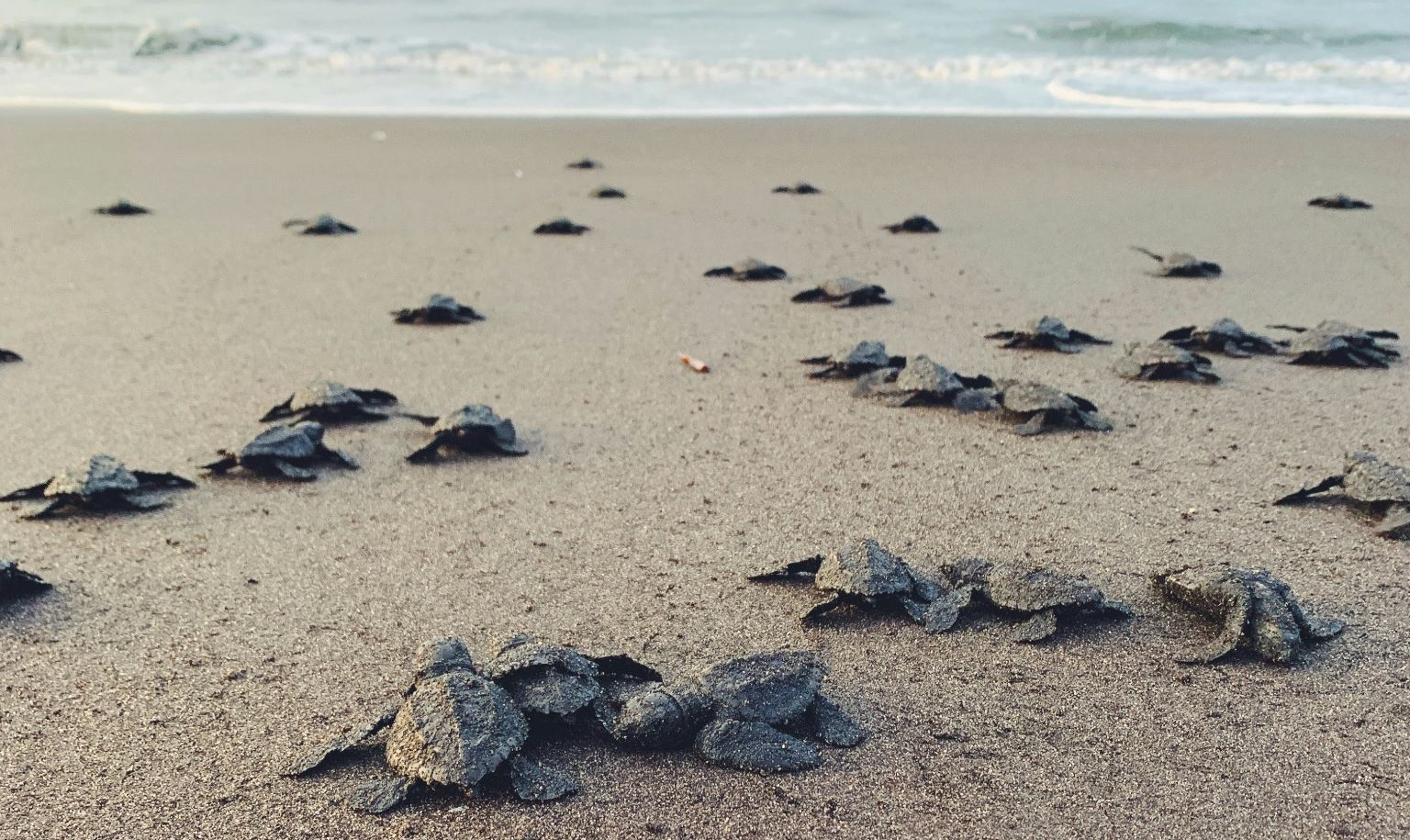
A nesting turtle needs a quiet, dark beach where she can lay her eggs and return to the sea without being chased or surrounded. Hatchlings then face a difficult journey from the nest to the water.
Major threats include:
Egg collection: Eggs may be taken from nests for consumption or sale.
Fishing activity: Turtles can become entangled in nets or injured by fishing equipment.
Plastic pollution: Turtles may mistake plastic for food or become entangled in discarded materials.
Artificial lighting: Bright lights can discourage nesting females and disorient hatchlings.
Coastal development: Construction and heavy beach use can disturb nesting habitat.
Effective sea turtle conservation in Sri Lanka is about more than releasing hatchlings. Visitors can support sea turtle conservation in Sri Lanka by choosing responsible operators, respecting beach rules and supporting local protection efforts.
For information about community-led conservation at Rekawa, visit Nature Friends of Rekawa.
Wild Nesting Beaches vs Hatcheries
The most natural way to see turtles is to observe them in the wild. This is an important principle of sea turtle conservation in Sri Lanka. A conservation hatchery may also provide an educational visit, but only when its practices put animal welfare first.
Watching turtles in the wild
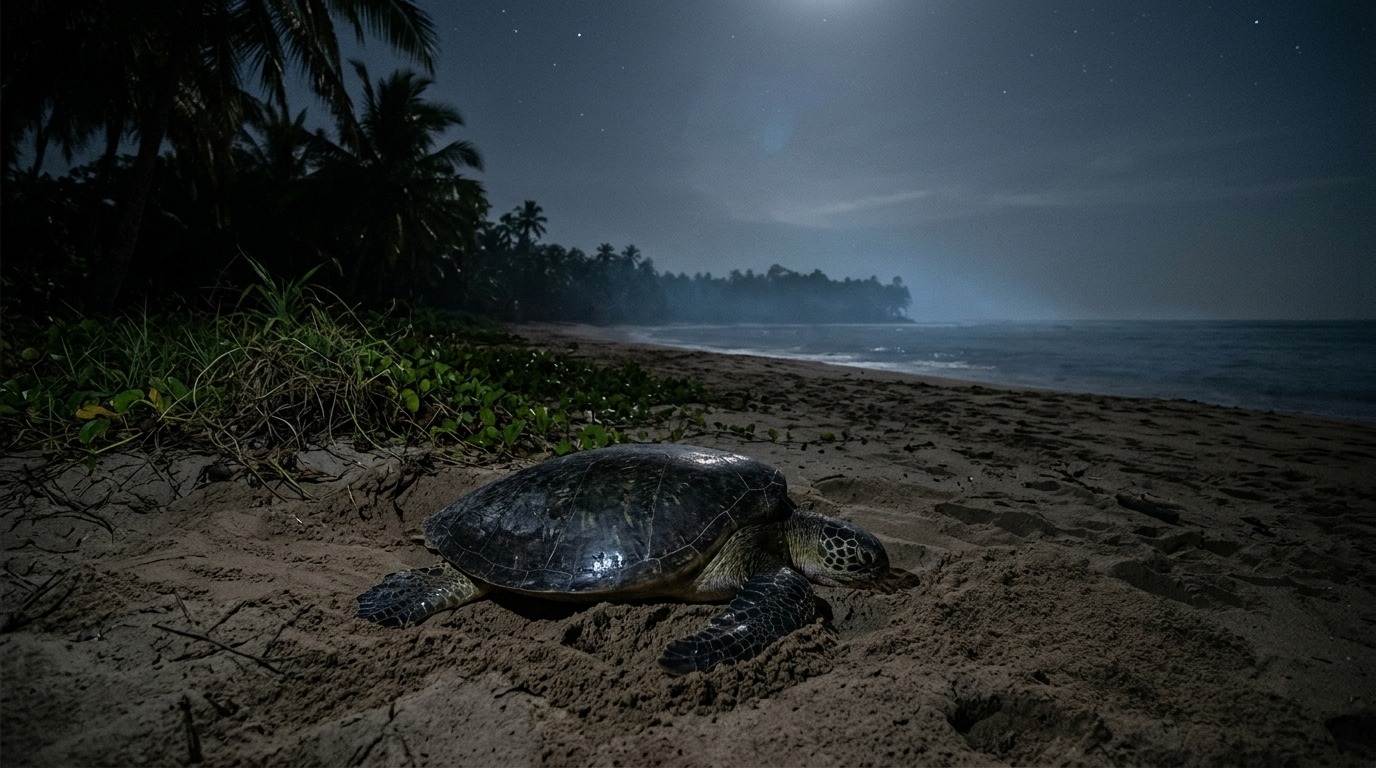
At a nesting beach, visitors may have the opportunity to observe a female coming ashore, digging a nest and laying eggs. This usually happens at night. Visitors wait quietly and follow the instructions of local guides rather than searching for or approaching turtles themselves.
Rekawa, near Tangalle, is one of Sri Lanka's best-known locations for organised turtle watching and sea turtle conservation in Sri Lanka. Its community-based programme involves local nest protectors who monitor the beach and help protect nests.
Sightings are never guaranteed. A turtle may not come ashore on the night you visit, and the wait can be long. That uncertainty is part of ethical turtle watching: the animal's natural behaviour must determine the experience.
Read about the Turtle Watch programme at Rekawa before planning a visit.
Understanding hatcheries
A turtle hatchery is a facility where eggs may be incubated in a protected area and hatchlings cared for before release. Some projects also provide education or care for injured turtles.
However, a turtle hatchery in Sri Lanka is not automatically ethical simply because it uses the word conservation. Egg relocation, keeping hatchlings in tanks and arranging releases require careful management. When considering a visit, ask where eggs come from, why turtles are being held and how release decisions are made.
A useful distinction:
Wild turtle watching: Observing turtles in their natural habitat under controlled conditions.
Hatchery education: Learning about nesting, threats and conservation work.
Animal entertainment: Handling or displaying turtles mainly for close-up photographs and tourist experiences.
Choose an experience only when its organisers can explain how they protect animal welfare.
Choosing a Responsible Kosgoda Turtle Sanctuary
Kosgoda is a well-known stop on Sri Lanka's southwest coast, between popular beach areas such as Bentota and Galle. Several facilities are promoted online using terms such as Kosgoda turtle sanctuary, but the name alone does not prove that a project follows good welfare standards.
A responsible visit should be educational, not built around guaranteed close contact with baby turtles. This distinction matters when choosing sea turtle conservation in Sri Lanka experiences.
A project may have a long history or attractive conservation message and still need to be assessed by its current practices. One project with an online information resource is the Kosgoda Sea Turtle Conservation Project. Read its information and contact the organisation directly to ask about current visitor arrangements and animal-welfare practices before visiting.
Where to See Turtles Responsibly
Rekawa Beach, near Tangalle
Best for: Guided wild nesting observations.
Rekawa is a strong choice for visitors who want to observe nesting turtles in their natural habitat. The Nature Friends of Rekawa programme supports nest protection and community conservation.
Visitors generally meet at the visitor centre in the evening before going to the beach. Guides and nest protectors determine whether and when an observation is appropriate. Follow all instructions about distance, lighting and noise.
Nesting activity is often busiest between February and July, although it varies and sightings are never guaranteed. Check the official Rekawa Turtle Watch visitor guidance for current arrangements.
Kosgoda, southwest coast
Best for: Learning about hatchery-based conservation.
Kosgoda is convenient for travellers staying around Bentota, Ahungalla or Balapitiya. If you plan to visit a turtle hatchery in Sri Lanka, check the specific facility rather than relying on online photographs or its name. Contact it in advance and ask about egg handling, hatchling care, release policies and visitor contact.
A worthwhile visit should help you understand the challenges of protecting eggs and nesting beaches. You should not need to hold a turtle to make the experience meaningful.
Bentota and nearby coastal areas
Best for: Adding a conservation stop to a beach holiday.
Bentota is a popular base for beach stays and water activities. Conservation-related visits may be available in the surrounding area, but check current visitor arrangements before travelling. Treat any facility as a learning opportunity, not a guaranteed wildlife encounter.
You can browse our beach hotels in Sri Lanka when planning a coastal stay.
Other southern coastal areas, including Induruwa, Hikkaduwa, Koggala and Mirissa, are also associated with turtle activity or nesting habitat. Choose based on your route and the type of experience available; do not assume sightings are guaranteed.
Rules for Ethical Turtle Watching
Responsible ethical turtle watching means allowing turtles to behave naturally, even if that means standing farther away or leaving without a photograph. This approach supports sea turtle conservation in Sri Lanka.
If you are watching a nesting turtle
Follow the guide's instructions.
Never use flash photography or shine a bright torch towards the turtle.
Keep your distance and your voice low.
Avoid sudden movements and crowds.
Never touch, block or redirect a nesting turtle.
Do not stand in the turtle's path back to the ocean.
At Rekawa, the conservation team decides when an observation is appropriate. Its instructions should always take priority over getting a closer view.
If you see a turtle while snorkelling
Keep a respectful distance and never chase or grab it.
Do not block its route to the surface; turtles need to breathe air.
Avoid touching coral, seagrass or other marine life.
Never feed turtles.
Take rubbish back to shore.
If you visit a hatchery
Do not hold hatchlings for photographs.
Avoid touching turtles unless a qualified professional explains that intervention is necessary.
Do not encourage premature releases for entertainment.
Ask questions about animal care and conservation work.
A good photograph is never worth causing an animal stress. Sometimes the most responsible choice is to put the camera away.
Including Turtle Conservation in a Family Tour
A turtle visit can be a meaningful part of a family holiday when children learn about wildlife rather than simply seeking close contact with it. It can also introduce the practical importance of sea turtle conservation in Sri Lanka.
A daytime educational visit may suit younger children better than a late-night nesting watch. Older children and teenagers may enjoy Rekawa, provided they can remain quiet, follow instructions and manage a potentially long wait.
A private itinerary can make it easier to include coastal stops around Bentota, Kosgoda, Galle or Tangalle without rushing. Before booking, consider:
Explaining the difference between wild nesting and hatchery-based conservation.
Encouraging children to observe without touching or feeding wildlife.
Bringing reusable water bottles and avoiding single-use plastic.
Allowing enough time for a visit that may involve waiting.
Considering children's ages and bedtime before choosing a night-time watch.
Frequently Asked Questions
1. Where is the best place to see sea turtles in Sri Lanka?
Rekawa Beach near Tangalle is one of the best-known places for guided wild turtle watching. Kosgoda is also known for turtle-related conservation visits, but check the individual facility's current practices before booking.
2. When is the best time for sea turtle watching in Sri Lanka?
Rekawa's nesting activity is often busiest between February and July, but activity varies. No responsible operator can guarantee a turtle will come ashore on a particular night.
3. Is visiting a turtle hatchery in Sri Lanka ethical?
It depends on the facility. Ask about egg sourcing, hatchling care, release practices and conservation work. Avoid places that let visitors handle baby turtles for photographs or keep animals in unsuitable tanks for entertainment.
4. Can I hold a baby turtle at a hatchery?
You should not hold hatchlings for photographs or entertainment. Choose a project that lets visitors learn through observation rather than physical interaction.
5. Can children visit Rekawa Turtle Watch?
Families may be able to visit, but the experience takes place at night and can involve a long wait. Children need to remain quiet and follow the guide's instructions. Consider their age and ability to manage a late evening before booking.
6. What should I bring for a turtle-watching experience?
Wear comfortable, dark-coloured clothing and suitable footwear for walking on sand. Follow the organiser's instructions about phones, torches and photography. Never use flash or bright lights near nesting turtles.
Conclusion
Responsible sea turtle conservation in Sri Lanka begins with choosing experiences that respect the animals. Rekawa offers the opportunity to learn about wild nesting through a community-led programme, while Kosgoda and Bentota have facilities visitors can assess before deciding whether to visit.
Choose knowledgeable guides, avoid attractions that encourage handling or photo opportunities with hatchlings, and remember that wild encounters cannot be guaranteed. A thoughtful visit can make your holiday more meaningful while supporting awareness of Sri Lanka's marine life.
Contact Gecko Travels Lanka to plan a private journey that includes coastal experiences with care for wildlife and local communities.