
Bird Watching in Sri Lanka: Best Spots for Nature Lovers
Sri Lanka is famous for its elephants, beaches and ancient temples, but its remarkable birdlife is another reason nature lovers visit the island. From colourful rainforest birds to flamingos gathering around coastal lagoons, each region offers a different birdwatching experience.
Wondering where to go, when to visit and how to include birdwatching in your holiday? Sri Lanka’s varied landscapes make it easy to enjoy rewarding birding experiences alongside beaches, culture and other wildlife attractions.
Why Is Sri Lanka Such a Good Destination for Bird Watching?
Sri Lanka is an excellent destination for birdwatching, with habitats ranging from tropical rainforests and misty mountains to wetlands and coastal landscapes.
More than 400 bird species have been recorded on the island, including endemic and migratory birds. The Ceylon Bird Club’s bird checklist is a useful resource for exploring them.
Birdwatching offers a peaceful way to experience Sri Lanka’s natural beauty, whether you are hoping to spot endemic species, photograph colourful birds or enjoy a quiet outdoor activity with family.
To combine birdwatching with other wildlife experiences, explore Gecko Travels Lanka’s private wildlife tours and plan an itinerary around your interests.
Sri Lanka's Endemic Birds: What Makes Them Special?
Sri Lanka's endemic birds are a major attraction because they occur naturally nowhere else in the world. From rainforest dwellers to highland species, each offers a special reason to explore the island's different habitats.
Some birds to look out for include:
Sri Lanka Blue Magpie: A striking blue bird with a reddish bill, commonly associated with wet-zone forests.
Sri Lanka Junglefowl: The country's national bird, recognised by the male's colourful plumage.
Red-faced Malkoha: A distinctive forest bird with a red facial patch and long tail.
Sri Lanka Hanging Parrot: A small green parrot often seen moving through the treetops.
Yellow-eared Bulbul: A highland endemic found around montane forests such as Horton Plains.
Sri Lanka Whistling Thrush: A secretive bird known for its distinctive calls near shaded streams.
Some species are easier to spot than others, so patience and a knowledgeable guide can make a difference. If seeing Sri Lanka endemic birds is a priority, choose locations based on their preferred habitats, particularly lowland rainforests and central highland forests.
You can explore the Ceylon Bird Club's endemic bird list to learn more about the species found only in Sri Lanka.
6 of the Best Birding Locations in Sri Lanka
The best birding locations in Sri Lanka depend on which species you hope to see and how much time you have. These six destinations offer a useful mix of rainforest, highland, wetland and dry-zone habitats.
1. Sinharaja Forest Reserve – The Rainforest Birdwatching Experience
For bird watching in Sri Lanka, this UNESCO-listed rainforest is one of the most important places to include in a Sri Lankan itinerary.
Located in the island's south-western wet zone, Sinharaja protects a remarkable area of lowland rainforest. Its dense vegetation provides habitat for many endemic species, including the Sri Lanka Blue Magpie, Red-faced Malkoha, Sri Lanka Junglefowl and several forest-dwelling babblers.
One of the most exciting experiences here is encountering a mixed-species feeding flock. Rather than moving alone, several bird species travel together through the forest in search of food. If you find one, you may have the opportunity to observe several different birds within a short period.
What to expect:
Guided walks along forest trails.
Bird calls echoing through the canopy.
Humid conditions, uneven paths and occasional rain.
Opportunities to see endemic birds and other rainforest wildlife.
Sinharaja has several access points, including Kudawa and Pitadeniya. Your choice of entrance can affect your journey and accommodation arrangements, so it is worth planning this stop in advance.
For more information about the forest's biodiversity and UNESCO World Heritage status, visit the UNESCO Sinharaja Forest Reserve page.
The Ceylon Bird Club's Sri Lanka birdwatching site guide also provides useful information about Sinharaja's birdlife, access points and forest walks.
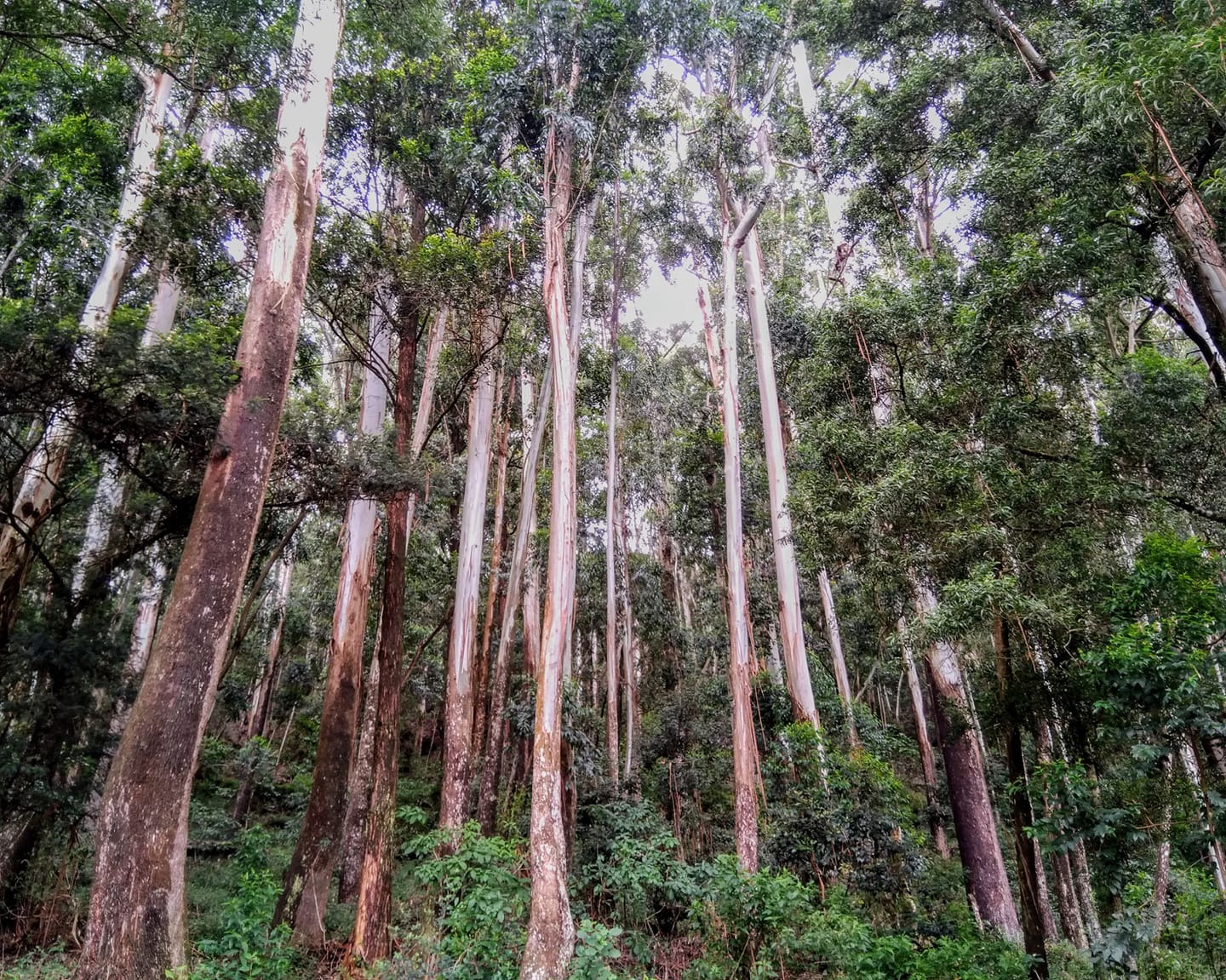
2. Bundala National Park – Flamingos and Wetland Birds
If you prefer open landscapes and waterbirds, Bundala National Park offers a very different experience from Sinharaja.
Situated near Hambantota on the southern coast, Bundala is a protected wetland landscape of lagoons, salt pans, marshes and coastal habitats. It is particularly well known for migratory waterbirds, including greater flamingos, as well as storks, herons, egrets and waders.
During the migratory season, the sight of birds gathering around the shallow lagoons can be spectacular. The open surroundings also make it easier to observe certain species without searching through dense forest.
Why visit Bundala?
Excellent opportunities to observe waterbirds and migratory species.
Open wetland scenery that suits wildlife photography.
A chance to combine birdwatching with a traditional jeep safari.
Convenient access from the Hambantota and southern coastal areas.
The period from September to March is particularly interesting for migratory birds, although.
You can also explore the Sri Lanka Tourism Development Authority's tourist attractions directory.
3. Horton Plains National Park – Birds of the Central Highlands
Horton Plains is a wonderful choice for travellers heading towards Nuwara Eliya and the central highlands. Its open grasslands, cloud forests and cool mountain climate support several birds associated with higher elevations.
Look out for the Yellow-eared Bulbul, Sri Lanka White-eye, Dull-blue Flycatcher and Sri Lanka Whistling Thrush. The latter can be particularly challenging to find, so listening carefully near shaded streams and forest edges can help.
The park is also known for its walking trails and dramatic scenery, making it a good option for visitors who want birdwatching alongside a scenic outdoor excursion.
Early mornings are generally best. Mist can settle over the grasslands, and the temperature is often much cooler than in the lowlands, so bring an extra layer of clothing.
If you are planning to visit this part of the island, our Horton Plains and World's End destination guide provides additional information about the highland landscape and visiting experience.
4. Kumana National Park – A Haven for Waterbirds
On Sri Lanka's south-eastern coast, Kumana is particularly appealing to birdwatchers interested in wetland and migratory species.
Its lagoons, marshes and surrounding dry-zone habitats attract a wide variety of waterbirds. Kumana is especially known for its birdlife around Kumana Villu, where birds gather in and around the wetland.
The park can be a rewarding addition to a trip that includes Arugam Bay or the eastern and south-eastern regions. The May to July period is often highlighted for bird activity, although conditions and species vary throughout the year.
A guided jeep safari is a practical way to explore the park, as its habitats are spread across a large protected area.
5. Kitulgala – Birding Along Forest Trails
Kitulgala is often associated with white-water rafting and adventure activities, but its surrounding rainforest also makes it an interesting destination for bird lovers.
The forests around the Kelani River provide habitat for several wet-zone species. With a knowledgeable guide, you may have opportunities to look for birds such as the Sri Lanka Grey Hornbill, Layard's Parakeet and other forest species.
Kitulgala is a useful stop for travellers moving between Colombo and the central highlands. It can also be a good alternative for those who want a rainforest experience but have limited time for a longer visit to Sinharaja.
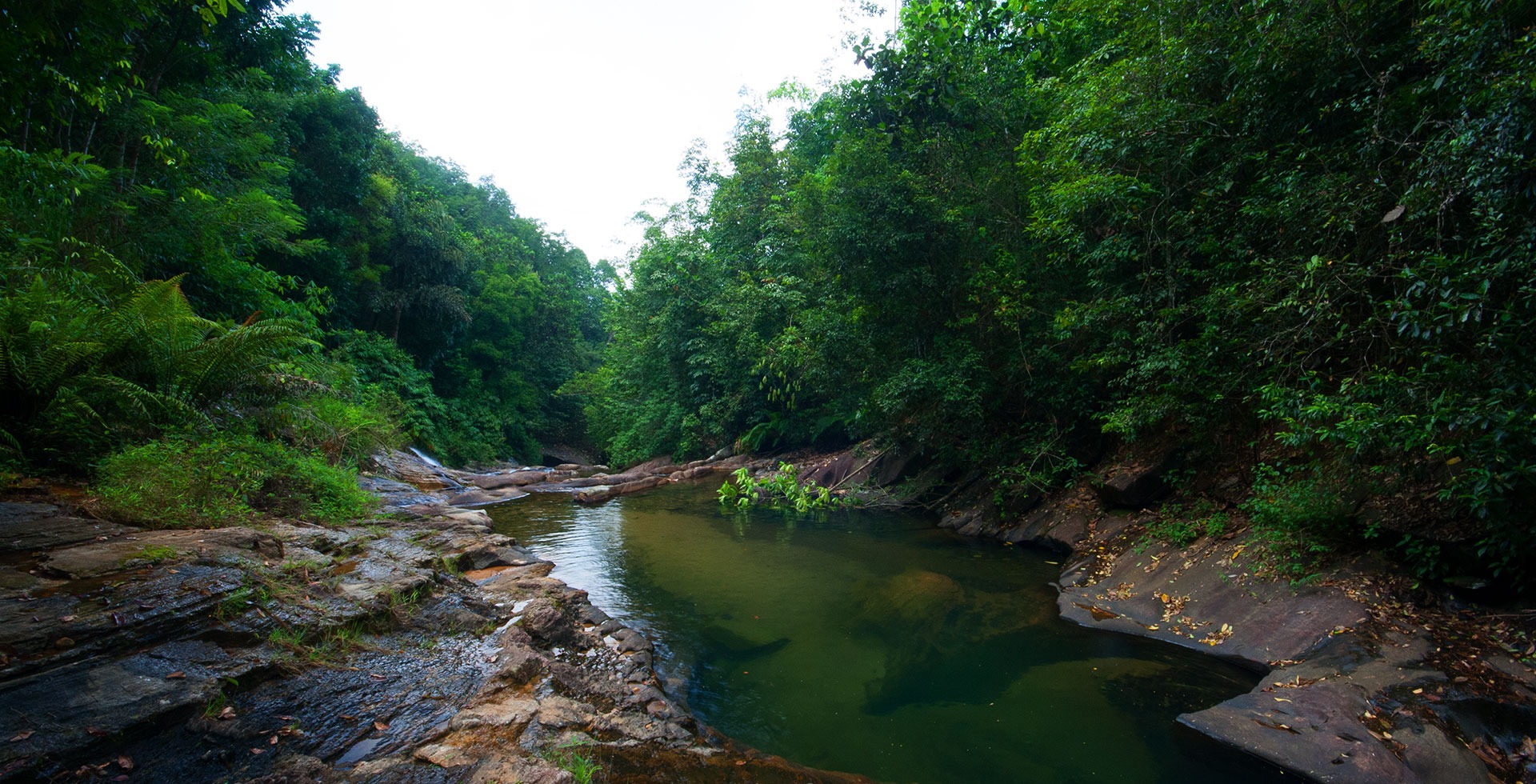
6. Talangama Wetlands – A Birding Escape Near Colombo
You do not always need to travel far from the capital to enjoy birdwatching. Talangama Wetlands, on the outskirts of Colombo, offer a quieter natural setting with open water, marsh vegetation and surrounding greenery.
The wetlands attract kingfishers, herons, egrets, cormorants and other water-associated birds. Depending on the season, you may also encounter migratory visitors.
It is a practical option for travellers with a short stay in Colombo or those who would like a gentle nature outing before beginning a longer island tour.
Practical Tips for a Comfortable Birdwatching Trip
A little preparation can make birdwatching in Sri Lanka more enjoyable, especially when visiting forests and national parks.
1. Choose the Right Season
November to April is generally a good period for birdwatching, although the best time varies by location:
Sinharaja: January–April and August–September.
Bundala: September–March, especially for migratory birds.
Horton Plains: Early mornings offer cooler conditions and better opportunities for sightings.
Kumana: May–July can be rewarding for seasonal bird activity.
These are general guidelines, as weather and bird movements can affect sightings.
2. Start Early
Birds are often more active shortly after sunrise. An early start gives you better opportunities to spot them before the midday heat.
3. Go with a Knowledgeable Guide
A specialist bird guide can identify bird calls, locate hidden species and improve your chances of spotting endemic birds. At Sinharaja, arrange the required local guiding support before your visit.
The Ceylon Bird Club's birdwatching site guide provides additional information about birding locations and guiding arrangements.
4. Bring the Essentials
Pack a few useful items for a comfortable outing:
Binoculars and a camera with a zoom lens.
Comfortable walking shoes and neutral-coloured clothing.
Water, sunscreen and insect repellent.
Rain protection and leech socks for rainforest walks.
5. Check Entry Arrangements
National parks and forest reserves have different entry fees and requirements. Check the Department of Wildlife Conservation's official national park information for current national park information.
6. Respect the Wildlife
Keep a safe distance, avoid disturbing birds with recorded calls, never feed them and stay on permitted trails. Quiet observation helps protect the birds while making the experience more rewarding.
Frequently Asked Questions
1. What Is the Best Time of Year for Bird Watching in Sri Lanka?
November to April is generally a rewarding period, as resident birds can be seen alongside many migratory visitors. However, the best months depend on the destination: Sinharaja, Bundala and Kumana each have different seasonal patterns. If you have particular species in mind, plan your route around their preferred habitats and seasons.
2. Do I Need a Guide for Birding in Sinharaja?
A local guide is strongly recommended for visiting Sinharaja Forest Reserve. A specialist bird guide is particularly helpful because many endemic species are difficult to identify without recognising their calls and movements. Booking guiding support ahead of your visit is a sensible idea.
3. Can Families with Children Enjoy Bird Watching in Sri Lanka?
Absolutely. Families can enjoy shorter nature walks, wetland visits and wildlife safaris, depending on the children's ages and interests. Talangama and some open safari settings may suit younger visitors better than long rainforest walks, which can involve humidity, uneven ground and leeches.
For inspiration when planning a family holiday, explore our private Sri Lanka family holiday options.
4. What Gear Should I Bring for Birdwatching?
A pair of binoculars, comfortable walking shoes, neutral-coloured clothing and a camera are useful starting points. For rainforest visits, also pack rain protection, insect repellent and leech socks. You do not need professional photography equipment to enjoy observing the birds.
5. How Does Bird Watching in Sri Lanka Fit into a Private Tour Itinerary?
Birdwatching can be included as a dedicated forest walk, a wetland safari or a shorter stop between other destinations. A private itinerary allows you to adjust departure times, spend longer at places you enjoy and combine birding with beaches, hill-country scenery and cultural attractions.
Conclusion
From the colourful endemic birds of Sinharaja to the flamingos of Bundala and the highland species of Horton Plains, Sri Lanka offers a remarkable variety of birdwatching experiences. You do not have to be an expert birder to appreciate them; a little patience, a comfortable pair of shoes and the right local guidance can make all the difference.
If you would like to include birdwatching in a wider island holiday, Gecko Travels Lanka can help plan a private route around your interests, travel dates and preferred pace. Contact Gecko Travels Lanka to discuss your travel plans and start planning your Sri Lankan nature escape.