
Leopard Spotting in Sri Lanka: Tips for Your Best Chance of a Sighting
There is a particular kind of excitement that settles over a safari jeep when the driver suddenly slows down. Someone has noticed movement beside the track. Everyone looks towards the scrub, scanning the shadows between the trees. Then, if you are lucky, a Sri Lankan leopard steps into view, its spotted coat catching the early morning light before it disappears into the forest again.
Seeing a leopard in the wild is one of Sri Lanka’s most memorable wildlife experiences. The island is especially appealing to visitors hoping to encounter this elusive big cat, with Yala National Park among the best-known places to look.
However, even in excellent leopard country, sightings are never guaranteed. The right park, thoughtful timing, an experienced guide and a little patience can all improve your chances. These practical leopard spotting Sri Lanka tips will help you plan a rewarding safari without treating the experience as a race to find an animal.
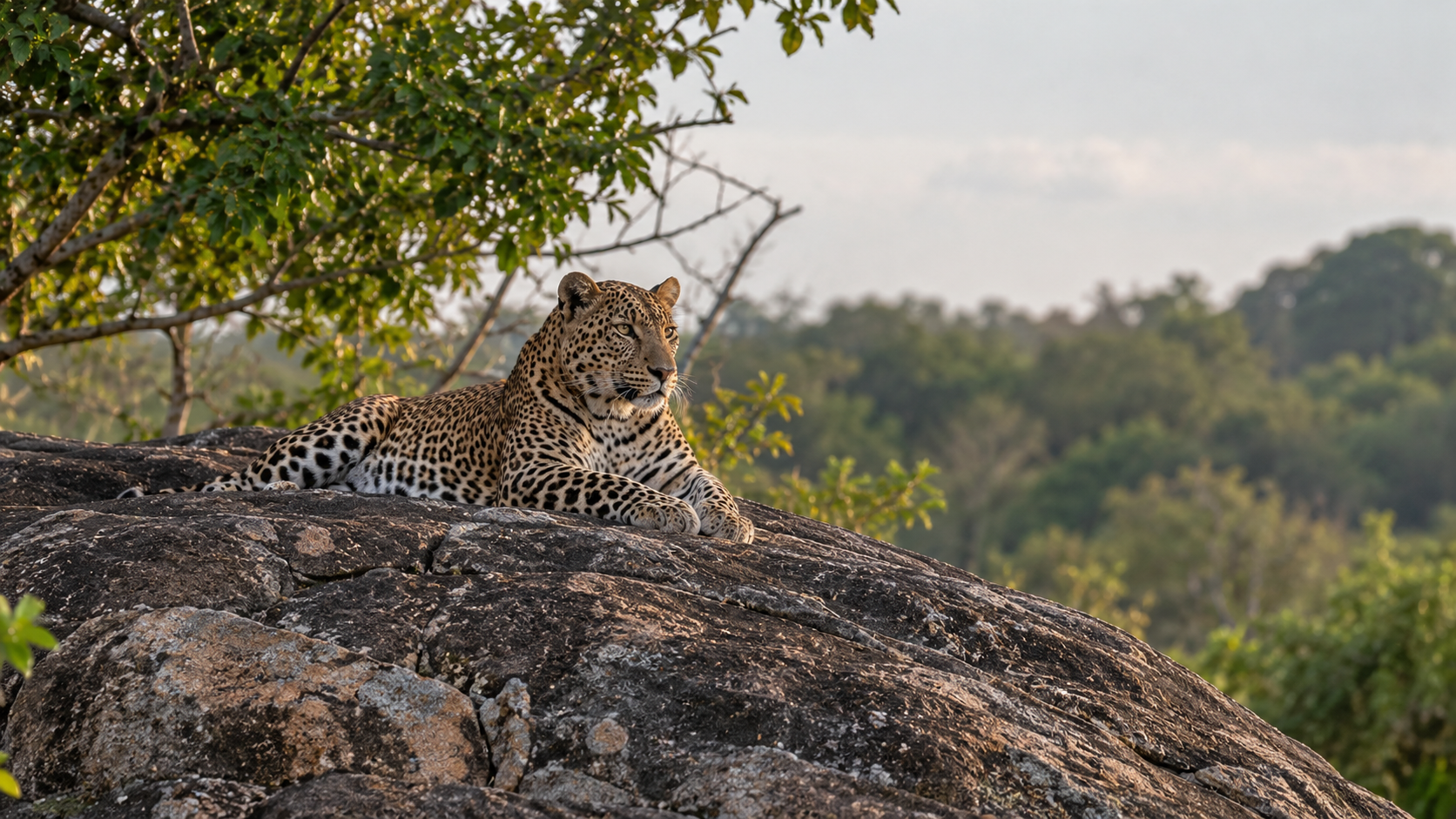
Where to Spot Leopards in Sri Lanka
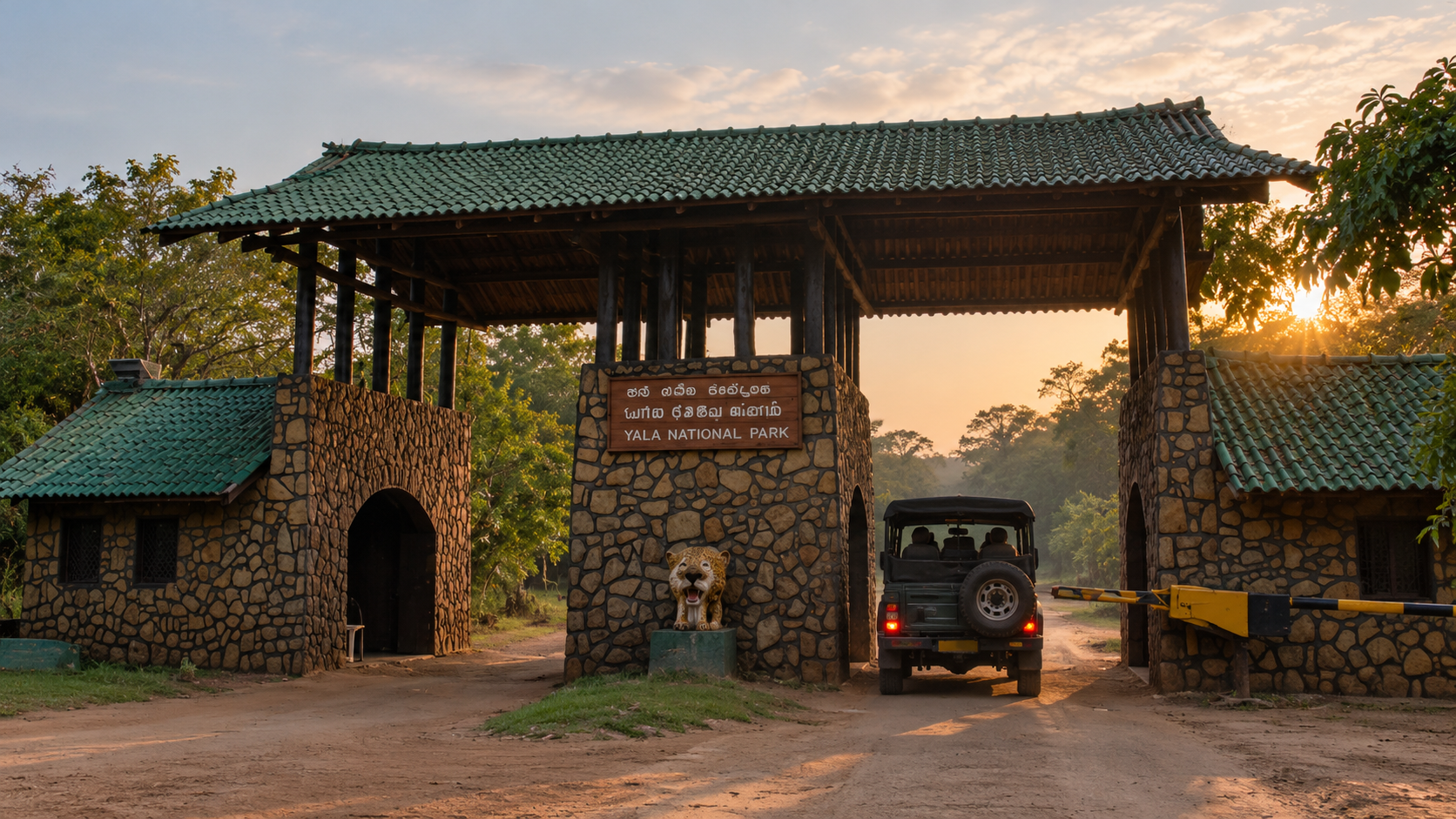
Yala National Park: The classic choice
For many first-time visitors, Yala National Park in southeastern Sri Lanka is the natural starting point. Its dry forests, rocky outcrops, open scrubland and waterholes create varied habitat for leopards and their prey.
Yala is particularly famous for its leopard population. The Yala leopard density in certain areas, especially Block I, is considered exceptionally high compared with many other leopard habitats. This makes the park an attractive option for travellers hoping to see one during a relatively short wildlife holiday.
That reputation comes with a drawback: popular areas can become busy, particularly when a leopard is spotted near a safari track. Choosing a responsible driver who respects wildlife and other visitors matters just as much as choosing the park.
If Yala is on your itinerary, explore the Yala National Park destination guide to learn more about its landscape and wildlife before you go.
Wilpattu National Park: For a quieter atmosphere
Wilpattu, in the island’s northwest, offers a different experience. Its landscape is characterised by forest, scrub and natural lakes known as villus. These water-filled clearings attract wildlife and provide open spaces within the woodland.
Leopards live here, too, but the thicker vegetation can make them harder to spot. You may spend a long stretch watching deer near a villu or listening to birds before catching a glimpse of a leopard moving through the trees.
Choose Wilpattu if you value a more secluded safari atmosphere and have enough time to explore patiently. Yala may be the more straightforward choice for a first leopard-focused trip, while Wilpattu appeals to travellers who enjoy quieter landscapes and less predictable encounters.
Which park should you choose?
If your priority is maximising your chances during a short stay, Yala is often the practical choice. If you have a flexible itinerary and prefer a quieter setting, Wilpattu deserves serious consideration.
Whichever park you choose, allow enough time to enjoy the wider wildlife experience. Elephants, crocodiles, deer, monkeys and birds can make a safari worthwhile even when the leopard remains hidden.
When Is the Best Time for a Leopard Safari?
Timing matters, but there is no single month that guarantees a sighting. Leopards live in Sri Lanka throughout the year, and their movements respond to weather, prey availability, breeding behaviour and other natural factors.
For Yala, the drier months, broadly from February to July, can offer favourable viewing conditions. As vegetation thins and water becomes less widely available, animals may be easier to observe around remaining water sources. Conditions vary, however, and leopards can be seen outside this period.
Before finalising your plans, check the latest park opening information through the official Sri Lanka Tourism website.
Morning or afternoon?
Early morning is an excellent choice for leopard spotting. Temperatures are cooler, the light is softer, and wildlife may be moving after the night. The first few hours after the park opens can be especially rewarding.
Afternoon safaris are worthwhile, too. As the heat eases, leopards may become active again, offering opportunities to see them walking along tracks, resting on rocks or moving through patches of grass.
If your schedule allows, consider two drives on separate sessions rather than expecting everything from one trip. A morning safari followed by an afternoon drive gives you another opportunity to explore different areas and conditions.
Check seasonal park closures
Yala’s access arrangements can change, including temporary closures of individual blocks for conservation or drought-related reasons. Do not assume that every section will be open on your chosen dates.
Check current notices before booking accommodation and safari vehicles. If your preferred area is closed, ask whether another open block or Wilpattu would better suit your itinerary.
Practical Leopard Spotting Sri Lanka Tips
1. Choose an experienced driver and guide
A knowledgeable safari guide does more than follow other jeeps. They understand animal behaviour, recognise tracks and calls, and know how to scan the landscape without rushing through it.
Leopards are masters of camouflage. A tail resting over a branch or a pair of ears just above the grass can be easy to miss if you are unfamiliar with the signs. An experienced guide can help you notice these details while explaining what the animal is doing.
When arranging your safari, ask about the driver’s experience, the vehicle arrangement and whether the trip can adapt to current sightings. A private jeep may suit couples, families and photographers who prefer a flexible pace, although it cannot guarantee a closer encounter.
2. Be patient instead of chasing sightings
When news of a leopard travels between vehicles, it can be tempting for drivers to rush towards the location. A crowded gathering of jeeps, however, may offer only a brief view of the animal through a forest of camera lenses.
A good guide will assess whether it is sensible to approach and will respect the park’s rules and the animal’s space. Sometimes the better decision is to continue along a quieter track or wait at a suitable viewing point.
Patience is particularly important when the leopard is resting in shade. It may remain still for a long time, and that is perfectly natural. Give yourself permission to enjoy the landscape rather than measuring the safari only by the number of sightings.
3. Scan the landscape, not just the road
Leopards do not always appear in the middle of a track. Look towards rocky ledges, tree branches, patches of tall grass and shaded areas beneath trees.
It also helps to watch the behaviour of other animals. Deer suddenly becoming alert, monkeys calling persistently or birds reacting to movement may give your guide something worth investigating. These signs do not necessarily mean a leopard is nearby, but they are part of learning to read the forest.
Avoid standing or leaning out of the vehicle to improve your view. Your guide should position the jeep safely and within the park’s rules.
4. Keep your expectations realistic
Even in a high-density leopard habitat, there is no dependable percentage that applies to every visitor. Your chances depend on the park, recent conditions, the length of the safari and, ultimately, the movements of a wild animal.
One drive might produce a wonderful sighting within the first hour. Another might bring elephants, crocodiles and beautiful birdlife but no leopard at all.
If seeing a leopard is a major priority, consider allowing two or more safari sessions in your itinerary where practical. More time creates more opportunities, but it is not a promise.
5. Choose the right safari duration
A half-day safari can work well if your schedule is tight. A longer outing or multiple sessions can offer greater flexibility, particularly if you want to explore different habitats or photograph wildlife.
Before booking a full-day safari, ask about the schedule, rest arrangements, meals and time spent inside the park. Long drives in an open vehicle can be tiring in the heat, especially for younger children.
For families, a well-timed half-day drive may be more enjoyable than an ambitious outing that leaves everyone exhausted. The best safari is one that suits your group as well as your wildlife goals.
Wildlife Photography Tips Sri Lanka: Getting Better Leopard Photos
You do not need professional equipment to enjoy a leopard sighting, but a little preparation can make photographs more successful.
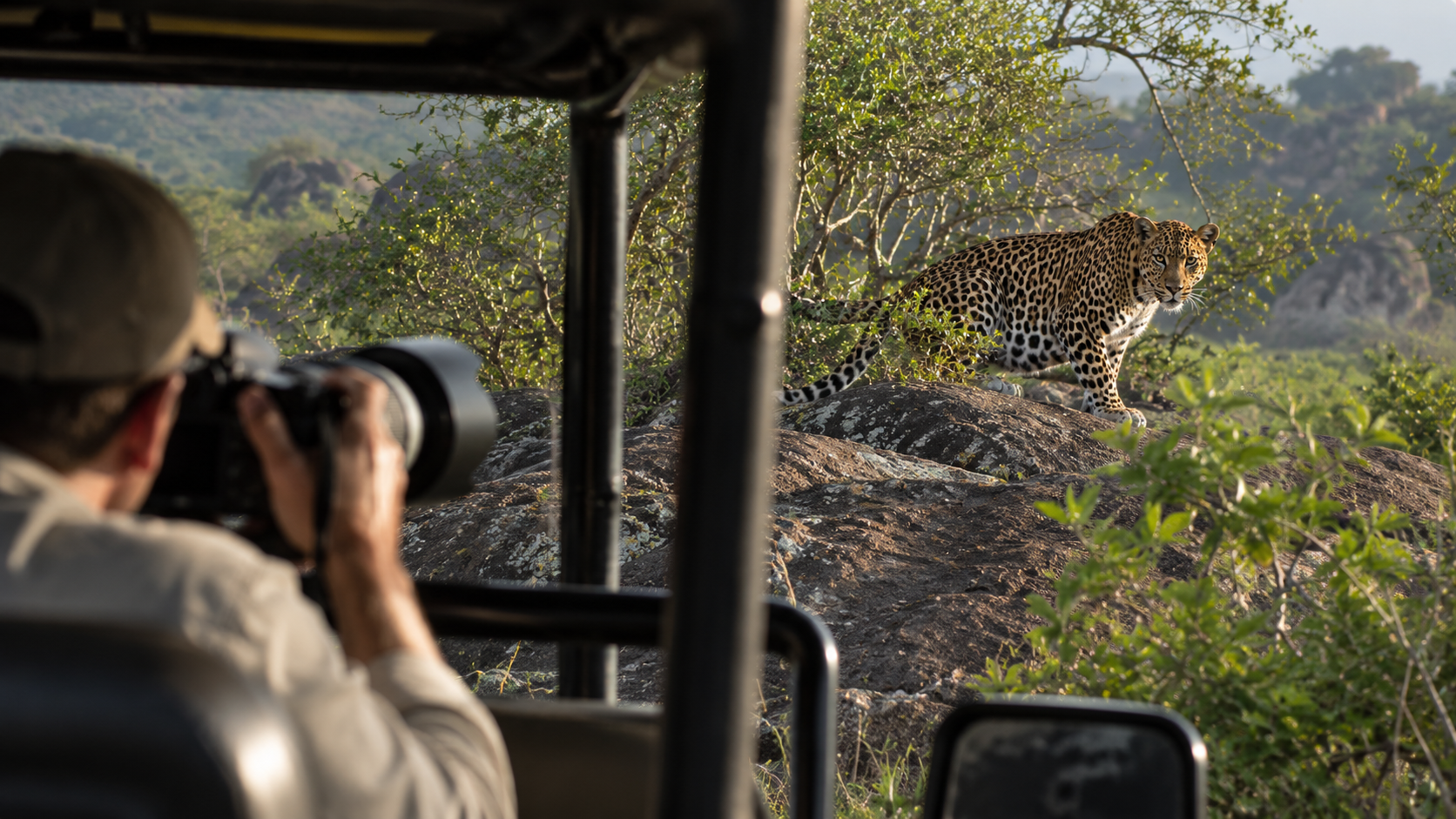
Bring a useful zoom lens
A telephoto or zoom lens allows you to photograph an animal without asking the driver to move uncomfortably close. A lens in the 200 – 400 mm range can be useful for wildlife, depending on your camera and how far away the leopard is.
If you use a phone, familiarise yourself with its zoom and focus controls before the safari. Digital zoom can reduce image quality, so take a moment to frame the animal carefully rather than enlarging the image excessively.
Prepare for low light and movement
Early morning and late afternoon light can be beautiful, but it may also be dim beneath the trees. If you use a camera, practise adjusting shutter speed and ISO before travelling.
A faster shutter speed helps reduce blur caused by vehicle movement or an animal walking. Rest your camera securely against a stable part of the vehicle where safe, and avoid leaning out or obstructing other passengers.
Take photographs, then put the camera down
It is easy to spend an entire sighting looking through a viewfinder. Take a few photographs, check that they are in focus and then spend a moment watching the leopard directly.
Notice how it moves, how the light falls across its coat and whether it appears relaxed or alert. These details often become the memories you treasure long after the photographs have been shared.
The most important of all wildlife photography tips in Sri Lanka is simple: never ask a driver to crowd, pursue or disturb an animal for a better picture.
What Should You Do When You Spot a Leopard?
The first instinct is usually to reach for a camera, whisper excitedly or point towards the animal. That is understandable. A leopard sighting can be over in seconds, so it helps to know how to respond.
Stay inside the jeep. Follow your guide’s instructions and use only designated places to leave the vehicle.
Keep your voice low. Loud noises and sudden movements can disturb wildlife and spoil the experience for everyone nearby.
Avoid flash photography. Flash is unnecessary in most safari situations and can disturb the animal.
Do not encourage the vehicle to move closer. A respectful viewing distance is better for the leopard and safer for visitors.
Let the animal move away naturally. Never block its path or follow it aggressively when it disappears into the vegetation.
If several jeeps gather around the same leopard, remain calm and follow your guide’s advice. A responsible operator will prioritise safe viewing and the animal’s welfare over a perfect photograph.
Remember that a leopard is a powerful wild predator. Although attacks on safari visitors are not the usual outcome of properly managed viewing, it is still essential to respect the animal and follow park regulations.
Frequently Asked Questions
Where can you spot leopards in Sri Lanka?
Yala National Park is the best-known destination for leopard safaris, particularly Block I, which has a high concentration of leopards. Wilpattu is another important option, offering forested scenery and natural lakes. The best choice depends on your travel dates, available time and preferred safari atmosphere.
What are the chances of seeing a leopard in Sri Lanka?
There is no reliable guarantee or universal percentage. Yala offers promising opportunities because of its leopard density, but sightings depend on conditions and animal behaviour. Booking multiple safari sessions can improve your opportunities, although you may still leave without seeing one.
What time of day are leopards most active?
Leopards are often more active around dawn and dusk, when temperatures are cooler. Early morning safaris are particularly popular, while late-afternoon drives can also produce sightings. Leopards may be encountered at other times, so timing improves your opportunities rather than guaranteeing a result.
What is the best way to plan a leopard-focused holiday?
Choose your park according to the season and allow enough time for more than one safari if possible. Staying near Yala or Wilpattu reduces unnecessary travel on safari days. A private round tour can also combine wildlife viewing with the Cultural Triangle, the hill country or the southern coast.
Make Your Leopard Safari Part of a Memorable Sri Lanka Holiday
A leopard sighting can be an extraordinary highlight, but the best wildlife holidays leave room for more than one moment. You might spend a morning searching Yala’s rocky outcrops, see elephants crossing a track, then finish the day listening to birds beside a quiet lagoon.
If you are planning a wider wildlife-and-heritage journey, explore Gecko Travels Lanka’s 22-day Sri Lanka Unplugged tour for inspiration on combining wildlife, culture and time to enjoy the island at a more personal pace.
With thoughtful timing, a responsible guide and realistic expectations, you can give yourself a strong opportunity to see Sri Lanka’s elusive big cat. And if the leopard chooses to stay hidden, the sounds, landscapes and other wildlife of the safari can still make the experience unforgettable.