
Whale Watching in Mirissa: Best Time, Tips, and What to Expect
Imagine watching the ocean when suddenly a huge shape emerges from beneath the surface. A powerful spout rises into the air, followed by the enormous back of a blue whale. For many travellers, this is one of the most memorable experiences of a Sri Lankan holiday.
If you are planning whale watching in Mirissa, you may wonder when to visit, which species you might encounter and what to expect during the boat trip. The right season, suitable weather and a responsible operator can make all the difference.
What Is Whale Watching in Mirissa Really Like?
Whale watching in Mirissa is a morning boat excursion into the Indian Ocean, where travellers search for whales and dolphins in the deeper waters off Sri Lanka's southern coast.
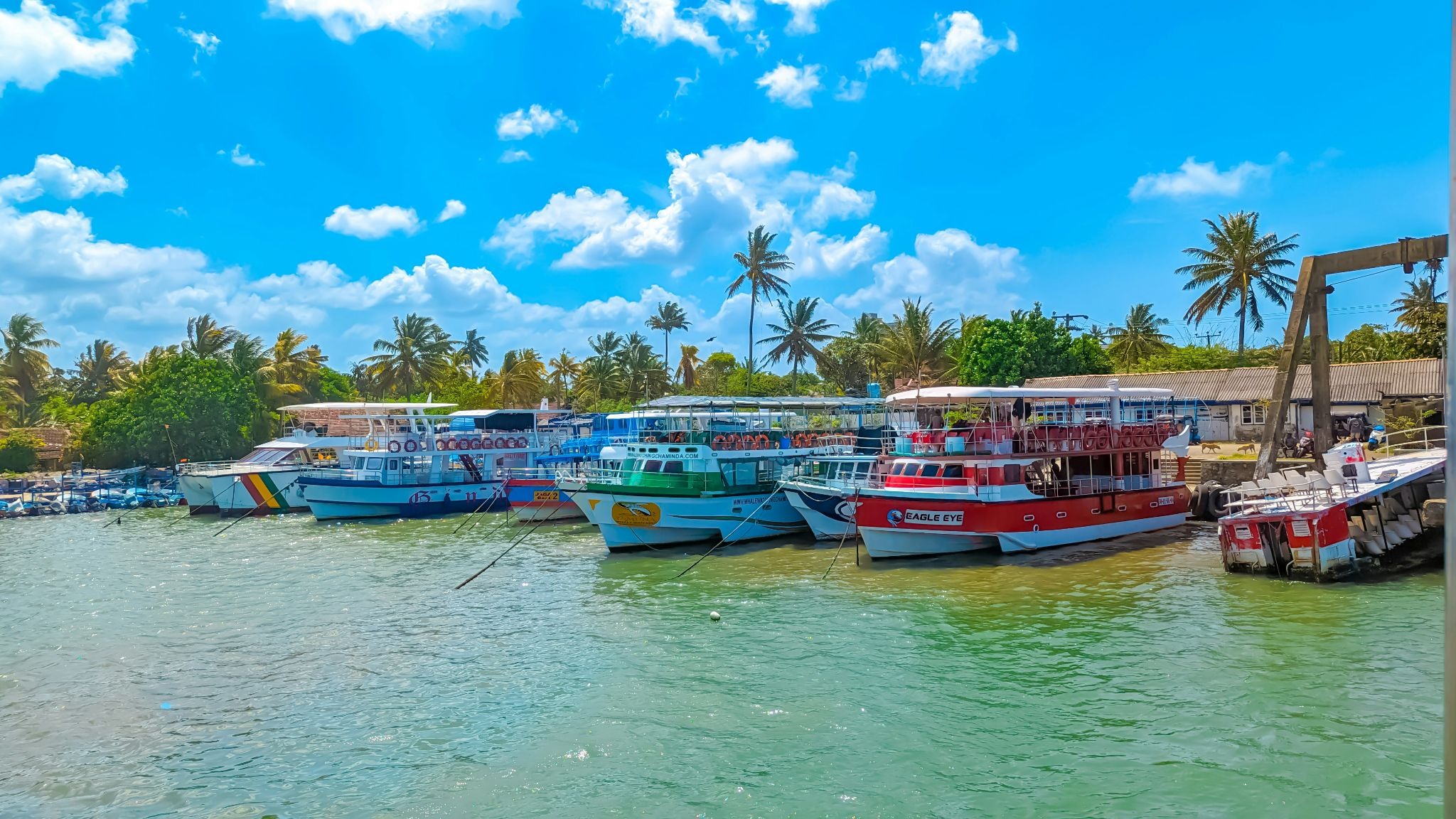
Most trips depart from Mirissa Fisheries Harbour between 6:30 am and 7:00 am, heading towards the waters around Dondra Point, where several marine mammal species can be found.
A typical excursion lasts around three to five hours, depending on sea conditions and wildlife sightings.
What happens during the excursion?
Departure: Arrive at the harbour early for a safety briefing.
Heading offshore: The boat travels towards deeper waters.
Searching for wildlife: The crew looks for whale spouts, fins and dolphins.
Whale encounters: You may see a whale surfacing or lifting its tail before diving.
Return: The boat heads back to Mirissa after several hours.
Whale watching requires patience, as sightings are never guaranteed. However, the experience of being out on the open ocean is memorable in itself.
When Is the Best Time for Whale Watching in Mirissa?
The best time for whale watching in Mirissa is generally November to April, with December to March offering particularly favourable opportunities for blue whale sightings.
Blue whale season in Sri Lanka
The blue whale season in Sri Lanka varies depending on the coastline. Mirissa is the main southern destination during the November-to-April period, while Trincomalee on the east coast generally offers whale-watching opportunities from March to July.
Here is a general seasonal guide:
These are general guidelines, not guarantees. Whale movements and sea conditions can change from year to year.
Does the time of day matter?
Yes. Most Mirissa boat tours depart early, usually around 6:30 am, when sea conditions are often calmer and temperatures are more comfortable.
If you are visiting during January or February, consider booking several days ahead, especially during busy holiday periods. Always confirm departure times and weather conditions with your operator.
Which Whales and Dolphins Can You See Off Mirissa?
Blue whales are the main attraction, but the waters around Mirissa support a much wider variety of marine life.
Sri Lanka's southern coastline is particularly interesting because its offshore waters provide habitats for several species of whales and dolphins.
1. Blue whales
The blue whale is the highlight of most Mirissa excursions. It is the largest animal known to have lived on Earth, reaching lengths of around 30 metres.
Despite its enormous size, spotting one in the open ocean can be surprisingly subtle. You may first notice a tall water spout, followed by a long blue-grey back breaking the surface.
If the whale is preparing for a deeper dive, you might also see its tail rise above the water. It is a remarkable sight, especially when you realise just how large the animal is compared with your boat.
Learn more about this incredible species through NOAA Fisheries' blue whale facts.
2. Sperm whales
Sperm whales are another interesting species recorded in the waters around southern Sri Lanka.
They have large, distinctive square-shaped heads and are known for their ability to dive to impressive depths in search of squid.
Unlike blue whales, which feed mainly on krill, sperm whales are toothed whales and hunt prey beneath the surface. Their appearance can be quite different, making an encounter particularly exciting for anyone interested in marine wildlife.
3. Bryde's whales
Bryde's whales are occasionally recorded during whale-watching trips off Mirissa.
They are baleen whales that feed on small fish and other marine organisms. Their streamlined bodies and relatively subtle markings can make them harder to identify from a moving boat.
They are not as commonly encountered as blue whales in the Mirissa whale-watching area, but they are certainly worth looking out for.
4. Spinner dolphins
For many visitors, dolphins provide some of the most entertaining moments of the excursion.
Spinner dolphins are especially known for their energetic behaviour, sometimes leaping out of the water and spinning before landing again.
They often travel in groups, so you might see several dolphins swimming together or moving alongside the boat.
Other species, including bottlenose dolphins, short-finned pilot whales and occasional orcas, have also been recorded in the wider area. However, these are less predictable sightings.
A useful expectation: You may see several dolphins but only one or two whales, or you may encounter a whale that surfaces briefly before disappearing underwater. Every trip is different, and no responsible operator should promise a particular species.
Whale Watching Tips: How to Prepare for a Comfortable Trip
A little preparation can make your whale-watching experience more enjoyable, especially if it is your first time travelling by boat in open water.
1. Prepare for seasickness
The ocean can be rough even when the weather looks calm from the beach. If you are prone to seasickness:
Consider suitable seasickness medication after consulting a pharmacist.
Eat a light breakfast before departure.
Stay hydrated and avoid heavy meals.
Choose a seat where you can see the horizon.
Avoid reading or using your phone for long periods.
For children, check suitable precautions with a healthcare professional before the trip.
2. Bring suitable clothing and essentials
The morning breeze can feel cool, but the sun becomes stronger as the boat moves offshore. Pack:
A hat, sunglasses and broad-spectrum sunscreen.
Light, breathable clothing and a light jacket.
A reusable water bottle.
A waterproof pouch for valuables.
A camera or binoculars for spotting marine life.
Keep your camera accessible because whale sightings can happen unexpectedly.
3. Choose a responsible boat operator
Several Mirissa boat tours are available, but prices and facilities vary. Before booking, check:
Check recent reviews and ask about the operator's safety arrangements before paying.
For further information, read the Sri Lanka Tourism Development Authority's whale and dolphin-watching guidelines.
Common Mistakes to Avoid When Whale Watching
A little planning can help you avoid common disappointments.
1. Expecting guaranteed sightings
Whales are wild animals, so sightings cannot be guaranteed. Ask whether the operator offers alternative arrangements if no whales are spotted.
2. Choosing a tour based only on price
Cheaper trips may have larger passenger numbers or fewer facilities. Compare safety standards, comfort and what is included rather than focusing only on cost.
3. Ignoring responsible wildlife practices
Choose operators who maintain safe distances, avoid chasing whales and respect their natural behaviour. Avoid excursions that encourage touching or swimming with wild marine animals.
4. Overlooking children's comfort
The early departure and several hours at sea can be tiring for young children. Check for child-sized life jackets, shaded seating and toilet facilities before booking.
Is Whale Watching Worth It for Families and Couples?
Absolutely! Watching a blue whale surface in the open ocean can be an unforgettable experience for couples, honeymooners and families interested in wildlife.
However, consider the early departure, journey duration and possibility of seasickness before booking, particularly when travelling with young children or anyone with mobility limitations.
Including Mirissa in a Southern Sri Lanka Holiday
Imagine arriving in Sri Lanka in February for a two-week holiday. You could explore Galle Fort on your way south, spend a couple of nights in Mirissa and enjoy an early-morning whale-watching excursion.
Keep the afternoon free for relaxing on the beach before continuing towards Udawalawe National Park for an elephant safari.
This relaxed approach allows you to enjoy whale watching without rushing between destinations.
Travellers looking for comfortable accommodation can also browse our curated beach hotels in Mirissa when planning their coastal stay.
Frequently Asked Questions
1. What is the best month for whale watching in Mirissa?
January, February and March are generally among the best months for whale watching in Mirissa, particularly for blue whale sightings. The season usually runs from November to April, although sightings depend on ocean conditions.
2. What time do whale-watching boats leave Mirissa?
Most whale-watching boats depart from Mirissa Fisheries Harbour between 6:30 am and 7:00 am. Early morning trips are preferred because sea conditions are often calmer and temperatures are more comfortable.
3. Can you see blue whales in Mirissa?
Yes. Mirissa is one of Sri Lanka's best-known destinations for blue whale watching. Blue whales are regularly spotted during the southern season, particularly between December and March, although sightings are never guaranteed.
4. How long does a whale-watching trip in Mirissa take?
Most excursions last approximately three to five hours. The duration depends on sea conditions, the distance travelled offshore and wildlife sightings.
5. Are Mirissa whale-watching tours suitable for children?
Yes, many families enjoy it. However, consider the early departure, boat movement and possibility of seasickness. Check age requirements, safety equipment and onboard facilities before booking.
6. What should I bring for whale watching in Mirissa?
Bring sunscreen, sunglasses, a hat, comfortable clothing, drinking water and a waterproof pouch for valuables. If you are prone to seasickness, consider suitable medication after consulting a pharmacist.
7. Are whale sightings guaranteed in Mirissa?
No. Whales are wild animals, and sightings depend on natural movements and ocean conditions. Even during peak season, encounters cannot be guaranteed. Choose a responsible operator and ask about its no-sighting policy before booking.
8. Are whale-watching tours in Mirissa ethical?
They can be, provided operators follow responsible wildlife-watching practices. Choose registered operators who maintain appropriate distances, avoid chasing marine animals and prioritise their welfare.
9. Should I book Mirissa boat tours in advance?
Yes, booking a few days ahead is advisable, particularly during December, January and February when tourist numbers are higher. Confirm the departure time, safety arrangements and weather conditions with your chosen operator.
Conclusion
Whale watching in Mirissa offers an incredible opportunity to experience Sri Lanka's marine wildlife, particularly during the December-to-March blue whale season. An early departure, a suitable boat and a responsible operator can make the experience more comfortable and rewarding, although sightings can never be guaranteed.
If you are planning a personalised Sri Lankan holiday, Gecko Travels Lanka can help you include Mirissa's whale-watching experience in a thoughtfully planned southern coast itinerary. Get in touch with Gecko Travels Lanka and start planning your Sri Lankan adventure.