
Nuwara Eliya: Exploring Sri Lanka's 'Little England' Hill Station
There is a moment when the character of Sri Lanka seems to change completely. The coconut palms disappear, the road begins climbing through folds of green mountains, mist settles over the hills, and suddenly you find yourself reaching for a jumper. Welcome to Nuwara Eliya.
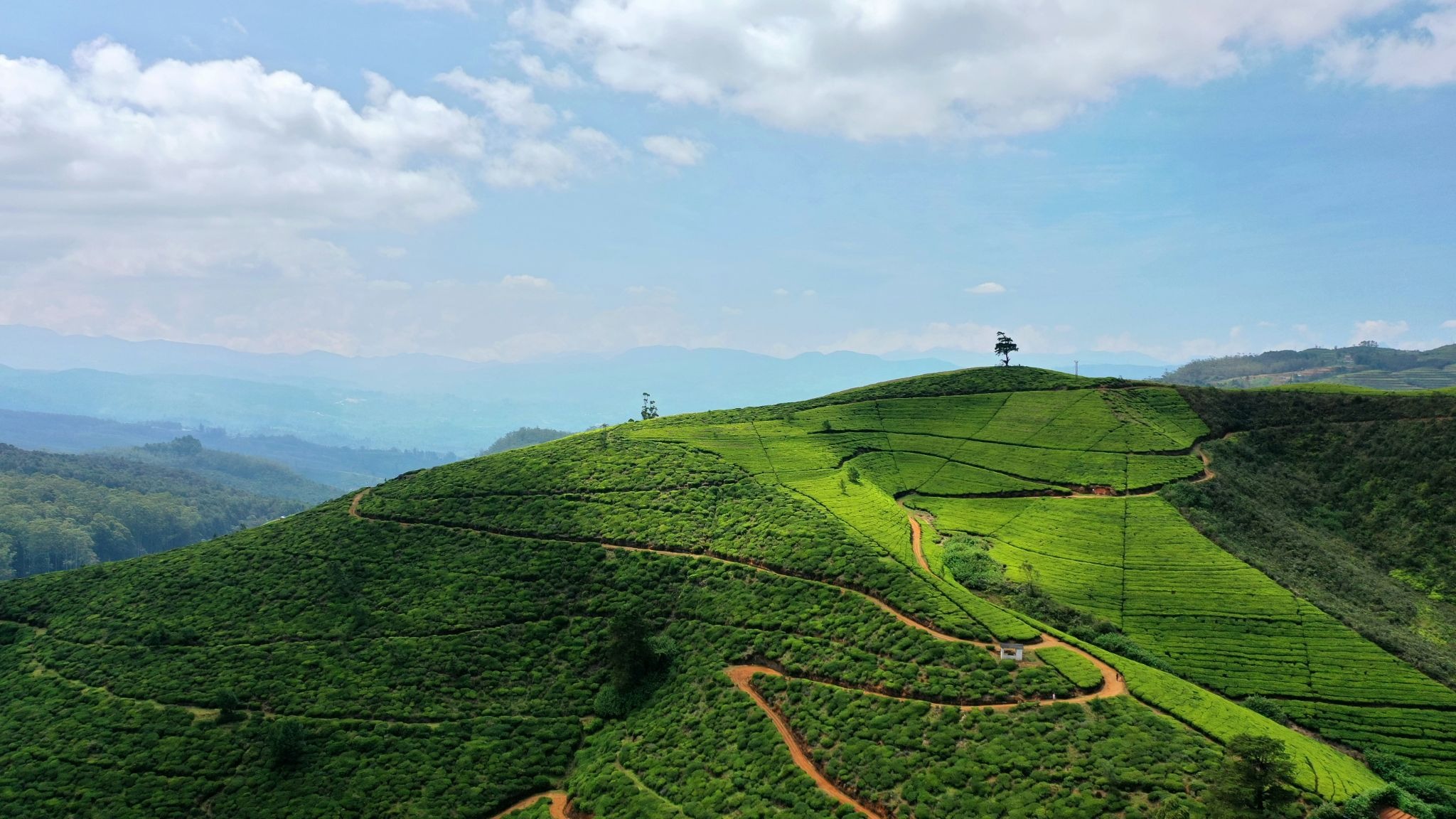
Perched high in Sri Lanka's central highlands, Nuwara Eliya is surrounded by emerald tea plantations, waterfalls, vegetable farms and misty mountain landscapes. Its cool climate and colonial-era architecture have earned it the nickname “Little England”, but there is much more to the town than old buildings and chilly mornings.
For travellers planning their first visit, this Nuwara Eliya travel guide covers the places worth seeing, the tea country surrounding the town, practical ideas for one- and two-day stays, and some of the best nearby experiences to add to a Sri Lanka itinerary.
Why Visit Nuwara Eliya?
Nuwara Eliya feels different from almost anywhere else in Sri Lanka.
At an elevation of more than 1,800 metres, the town has a much cooler climate than Colombo, Kandy or the southern coast. Early mornings can be crisp, afternoons may be pleasantly cool, and mist can roll across the mountains with very little warning.
The landscape is equally distinctive. Tea bushes cover slopes in neat rows, estate roads disappear into forests and valleys, and waterfalls appear between the mountains. The wider central highlands are one of Sri Lanka's most scenic regions, with tea plantations and highland forests forming much of the landscape.
Then there is the colonial influence.
Nuwara Eliya developed as a retreat during the British colonial period, and remnants of that era remain visible in the town's architecture, gardens, churches and old hotels. The result is an unusual mixture: British-influenced buildings surrounded by unmistakably Sri Lankan scenery, markets and communities.
That contrast is precisely what makes the town interesting.
Things to Do in Nuwara Eliya
There is no need to rush through dozens of attractions. Some of the best things to do in Nuwara Eliya involve simply enjoying the scenery and allowing enough time for the mountain roads between stops.
Visit the Nuwara Eliya Tea Estates
Tea is inseparable from the identity of this region.
The surrounding Nuwara Eliya tea estates produce high-grown Ceylon tea, and visiting an estate or tea factory gives you a chance to understand how the landscape, climate and tea production are connected.
Pedro Tea Estate is one of the better-known estates close to the town. A visit can include an introduction to tea production and the chance to see the plantation landscape first-hand.
Rather than rushing through the factory, take time to look at the tea fields themselves. The rows of bushes climb the hills in different shades of green, while estate workers can often be seen moving between the plants.
The wider tea-growing region extends beyond Nuwara Eliya towards places such as Talawakele and Hatton, so a private vehicle can be particularly useful if tea country is one of the main reasons for your visit.
Spend Time at Gregory Lake
Gregory Lake is close to the centre of Nuwara Eliya and provides an easy way to slow down after visiting tea plantations.
The lakeside is popular with families, couples and local visitors, particularly when the weather is clear. Depending on current operating conditions, visitors may find boating and other recreational activities around the lake.
You do not need to spend an entire afternoon here. A relaxed walk, a few photographs and a warm drink can be enough.
For families, it can also be a useful lower-effort stop between longer sightseeing drives.
Explore Victoria Park
Victoria Park offers another opportunity to experience Nuwara Eliya at a slower pace.
The landscaped gardens are particularly pleasant when flowers are in bloom, while the surrounding town makes it easy to combine the visit with a walk through the centre.
This is also a good area for noticing the town's colonial character. Instead of treating Nuwara Eliya as a collection of attractions, spend some time walking and looking at the architecture, old buildings and quieter streets.
See the Colonial Side of Nuwara Eliya
The “Little England” nickname comes largely from the town's colonial heritage and its cool climate.
The old post office is one of the most recognisable buildings, while churches, colonial-style hotels and historic residences contribute to the atmosphere.
The Grand Hotel area is another reminder of the town's past. You do not need to turn the visit into a formal history tour; simply walking around the central area gives you a feel for how Nuwara Eliya developed as a hill retreat.
What makes the experience more interesting is the contrast between this architecture and everyday Sri Lankan life. Local vegetable markets, tea workers, tuk-tuks and small shops are never far away.
A Nuwara Eliya Travel Guide to the Surrounding Hill Country
One of the biggest mistakes first-time visitors make is treating Nuwara Eliya as only a town.
Some of the most memorable experiences are outside the centre.
The surrounding hill country Sri Lanka landscape is filled with waterfalls, tea plantations, botanical gardens, hiking routes and small mountain communities.
Hakgala Botanical Garden
Located south of Nuwara Eliya, Hakgala Botanical Garden is an easy addition to a sightseeing day.
The garden dates back to the colonial era and contains a wide variety of plants, trees and landscaped areas. The cooler climate makes walking here considerably more comfortable than exploring a tropical garden in the lowlands.
It works particularly well for couples and families who want something scenic without committing to a demanding hike.
Seetha Amman Temple
Near Hakgala is Seetha Amman Temple, an important stop for visitors interested in Sri Lanka's religious traditions and Ramayana-related sites.
The temple is relatively compact, so it can be combined naturally with Hakgala rather than requiring a separate half-day visit.
As with other religious sites in Sri Lanka, visitors should dress respectfully and follow local customs.
Ramboda Falls
If you are travelling between Kandy and Nuwara Eliya, Ramboda is one of the places where the journey itself becomes part of the experience.
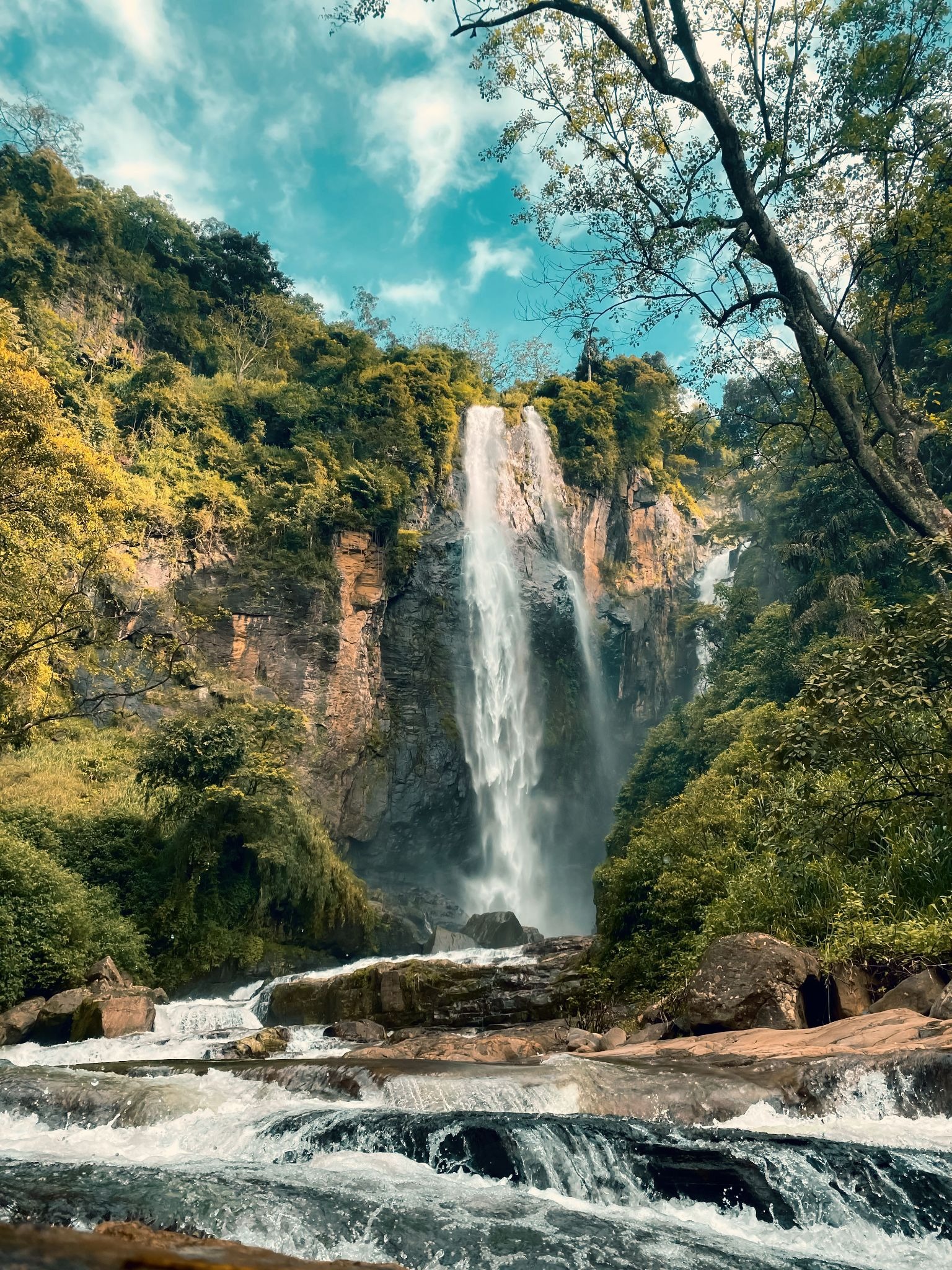
Ramboda Falls drops through the mountains near the road, while the surrounding landscape is filled with tea plantations and dramatic valleys.
This is a good example of why private travel can work well in the highlands. Rather than driving directly from one hotel to another, you can stop when the scenery changes, take photographs and explore places that catch your attention.
Sri Lanka Tourism also identifies waterfalls and scenic attractions around the Nuwara Eliya region as important parts of the central highland experience.
Horton Plains and World’s End
For travellers who enjoy walking, Horton Plains National Park is one of the most worthwhile excursions from Nuwara Eliya.
The high-altitude plateau is home to grasslands, cloud forests and unique highland ecosystems. The popular walking route includes World’s End and Baker’s Falls.
The key here is timing.
Start early in the morning. Clouds and mist can arrive later in the day and obscure the famous views from World’s End. Weather conditions in the mountains can change quickly, so a waterproof layer is useful even when the morning begins clear.
Horton Plains is better suited to travellers who are comfortable walking for several hours. Families with young children or travellers who prefer relaxed sightseeing may prefer a tea-estate and waterfall route instead.
How Many Days Are Needed in Nuwara Eliya?
For most first-time visitors, two nights is a comfortable amount of time.
One night is enough if Nuwara Eliya is simply a stop between Kandy and Ella and your main goal is experiencing the tea country.
Two nights allow you to see the town, visit a tea estate and choose one or two nearby attractions without spending the entire day in the car.
Three nights can suit slower travellers, photographers, honeymooners or families who prefer flexibility.
The important thing is not to measure your stay by the number of attractions you can tick off. Nuwara Eliya is a destination where the scenery between attractions is part of the experience.
How to Spend One Day in Nuwara Eliya
If you have just one day, keep your route relatively compact.
Start with a tea estate in the morning while the air is cool. After lunch, visit Gregory Lake and explore some of the central colonial sights.
If time allows, add Victoria Park or another nearby attraction.
Avoid trying to combine Horton Plains, Hakgala, Ramboda and several town attractions into a single day. Mountain roads are winding and journey times can take longer than the distances suggest.
A slower day will usually give you a better experience.
How to Spend Two Days in Nuwara Eliya
Two days give you considerably more flexibility.
Day 1: Town and Tea Country
Begin with a tea-estate visit before exploring the town centre.
Spend some time around Gregory Lake and Victoria Park, then enjoy a relaxed evening at your hotel. If you are staying in a colonial-style property or hill-country bungalow, the cool evening is a good excuse to slow down with a cup of Ceylon tea.
Day 2: Explore Beyond the Town
On your second day, choose an excursion according to your interests.
Active travellers can head towards Horton Plains and World’s End.
Those who prefer sightseeing can combine Hakgala Botanical Garden, Seetha Amman Temple, waterfalls and tea plantations.
If you are continuing towards Ella, your route can also incorporate some of the famous highland scenery along the way.
For travellers considering a wider private itinerary, Gecko Travels Lanka's private Sri Lanka tour packages include routes combining highland tea country with cultural sites, wildlife and other regions of the island. Their itineraries include experiences around tea country and Horton Plains.
When Is the Best Time to Visit Nuwara Eliya?
Nuwara Eliya can be visited throughout the year, but the experience changes with the weather.
The drier periods are generally more comfortable for walking and sightseeing, while wetter weather brings greener landscapes, fuller waterfalls and atmospheric mist.
April is an especially lively period because of the Sinhala and Tamil New Year season and Nuwara Eliya's annual festivities. Accommodation and transport can become busier around this time, so advance planning is sensible.
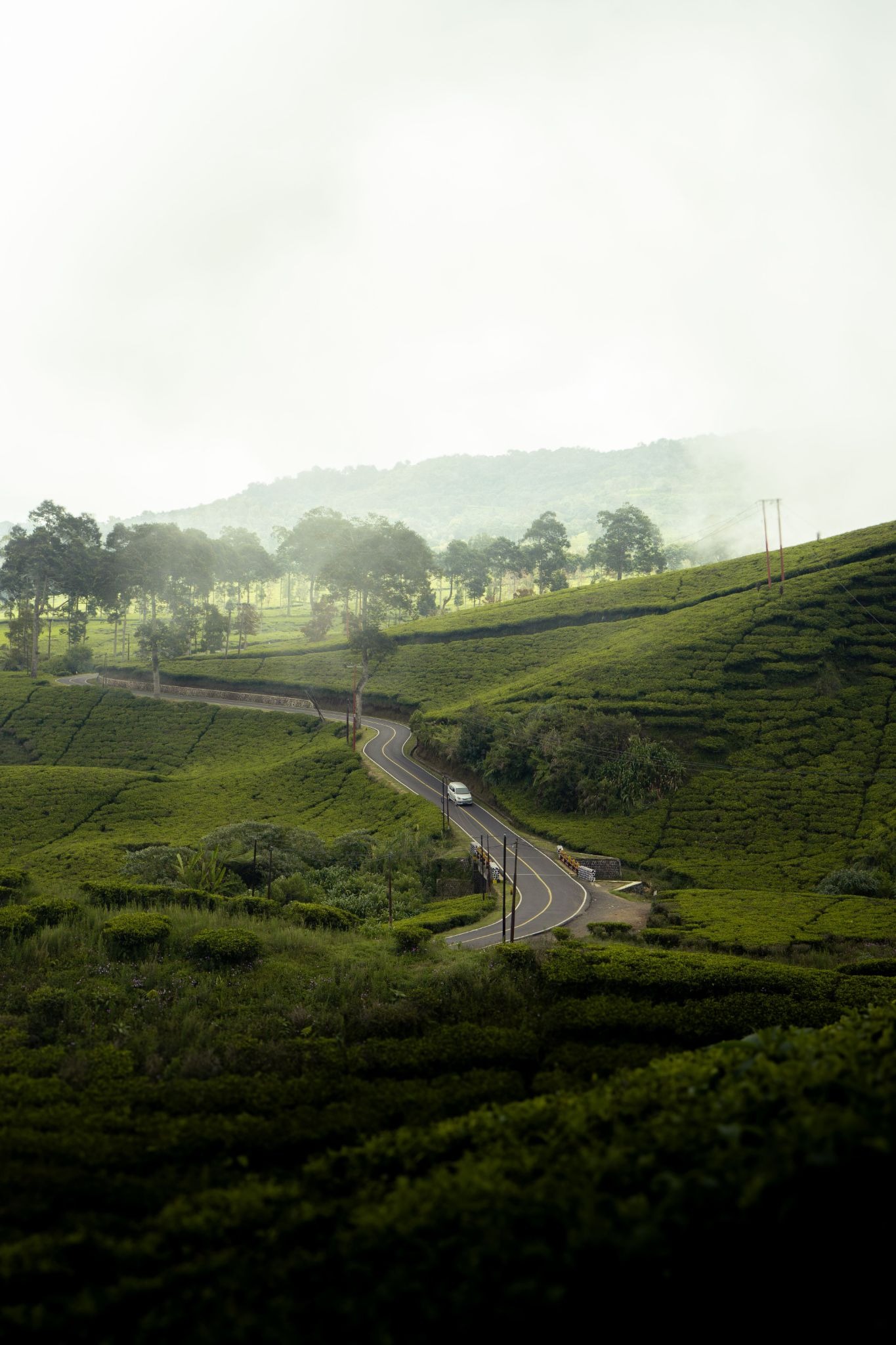
For photographers, mist should not necessarily be considered a problem. A clear blue sky provides wide mountain views, but low clouds drifting across tea plantations can create some of the most atmospheric photographs of the region.
What to Pack for Nuwara Eliya
Do not pack for Sri Lanka as though every part of the country has the same climate.
For Nuwara Eliya, bring:
A light fleece or warm jumper
A waterproof jacket
Comfortable walking shoes
Long trousers
Sunscreen and sunglasses
A small daypack
A reusable water bottle
If Horton Plains is on your itinerary, proper walking shoes become particularly important.
A small umbrella can also be useful, but a lightweight waterproof jacket is generally more practical for longer outdoor activities.
Getting to Nuwara Eliya
Nuwara Eliya is connected by road with Kandy, Hatton, Talawakele, Ella and other parts of the central highlands.
The journey from Kandy is scenic but should not be judged purely by kilometres. Mountain roads, traffic and sightseeing stops can make the journey take considerably longer than a similar-distance drive on flatter roads.
For train travellers, the important station is Nanu Oya, located outside Nuwara Eliya. The station connects the town with Sri Lanka's famous hill-country railway route.
The train journey through the tea country is itself one of the region's great experiences. However, train schedules and availability can change, so check current services close to your travel date.
A private vehicle gives you another option: you can travel at your own pace, stop for viewpoints and tea plantations, and continue directly to your next hotel without having to coordinate multiple transfers.
What Not to Miss in Nuwara Eliya?
If your time is limited, focus on the experiences that best represent the destination:
A genuine tea-estate or tea-factory visit
The cool mountain scenery surrounding the town
Gregory Lake
Colonial-era Nuwara Eliya
A nearby waterfall such as Ramboda Falls
Hakgala Botanical Garden or Seetha Amman Temple
Horton Plains and World’s End if you enjoy hiking
But leave some space in your schedule.
One of the pleasures of travelling through Nuwara Eliya is stopping unexpectedly when the clouds lift and reveal another layer of green mountains.
Is Nuwara Eliya Worth Adding to a Sri Lanka Itinerary?
For travellers who want to experience a different side of Sri Lanka, Nuwara Eliya offers a welcome change from the tropical coast.
The cool climate, tea plantations, waterfalls, colonial architecture and highland scenery create a destination with its own rhythm. It also fits naturally into longer routes connecting Kandy, Ella, wildlife areas and Sri Lanka's beaches.
The key is to avoid treating the destination as simply another checklist of attractions. Allow time for tea, mountain views and unplanned roadside stops. The highlands are often at their most memorable when you are not rushing through them.
Conclusion: Take Your Time in Nuwara Eliya
Nuwara Eliya is at its best when you slow down. Spend time among the tea plantations, explore the colonial streets, breathe in the cool mountain air and leave room for the scenery between destinations.
Whether you have one day or several nights, this Nuwara Eliya travel guide shows that the town can be much more than a quick stop between Kandy and Ella. It can be the peaceful highland chapter of a wider Sri Lankan journey.
If you prefer to have the route planned around your own pace, interests and travel style, Gecko Travels Lanka can incorporate Nuwara Eliya into a tailor-made private Sri Lanka itinerary, connecting the hill country with cultural sites, wildlife experiences and relaxing beach stays.