
Wilpattu National Park: Sri Lanka's Largest and Wildest Safari Park
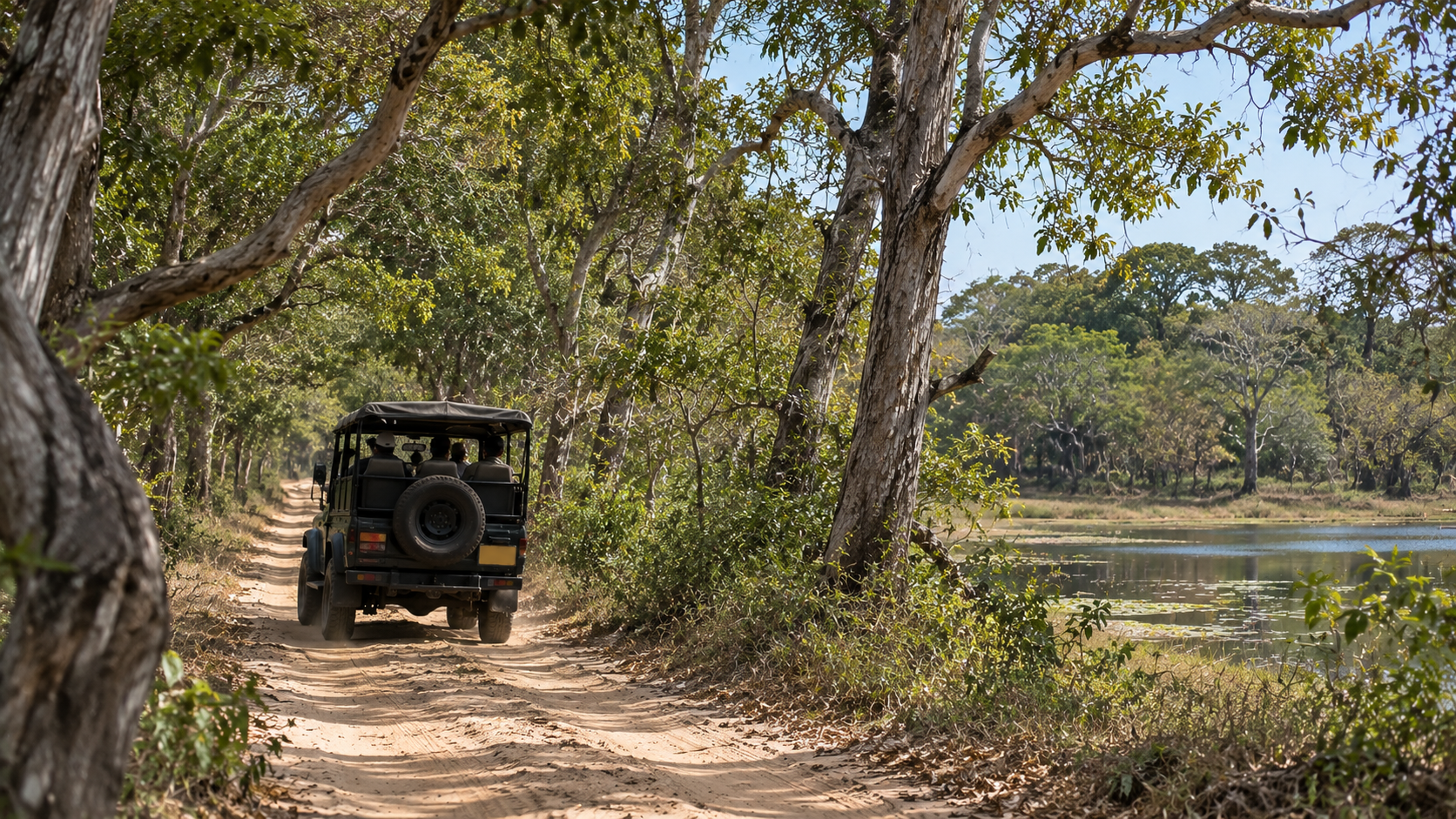
Imagine travelling along a sandy track through dry-zone forest when the trees suddenly open onto a quiet lake. The water reflects the pale sky, birds move between the reeds, and somewhere beyond the trees, a leopard may be resting in the shade. There is no guarantee of a sighting, but that uncertainty is part of the magic of Wilpattu National Park.
Located in north-western Sri Lanka, Wilpattu is the country's largest national park, covering approximately 1,317 square kilometres. It is known for its natural lakes, locally called willus, and its rich wildlife, including leopards, sloth bears, elephants and numerous bird species. Compared with some of Sri Lanka's busier safari destinations, Wilpattu can offer a quieter, more spacious experience.
If you are planning a wildlife-focused holiday, this Wilpattu National Park guide covers what makes the park special, which animals you might encounter, when to visit, how it compares with Yala, and what to know before booking a safari.
What Makes Wilpattu National Park Special?
Wilpattu is not simply a place to look for leopards. Its appeal lies in the combination of forest, scrubland, open clearings and water-filled depressions scattered across a vast landscape.
The park sits within Sri Lanka's north-western dry zone, where the scenery changes with the seasons. Some areas appear dry and dusty, while others become greener after rainfall. The contrast between the woodland and open water gives the landscape a character quite different from the southern safari parks.
Wilpattu also has a long conservation history. The area was designated a sanctuary in 1905 before receiving national park status in 1938. Today, it remains an important protected habitat for wildlife and a rewarding destination for travellers interested in Sri Lanka's natural environment.
Its size is worth remembering when planning your visit. You will not cover the entire park in a single safari. Instead, a morning or afternoon drive explores selected tracks and habitats, with your driver and tracker watching for signs of animal activity along the way.
The Willus: Wilpattu's Most Distinctive Feature
The word villu refers to a natural, often sand-rimmed depression that collects rainwater. These water bodies are among Wilpattu's defining features, supporting wildlife and creating beautiful openings in the surrounding forest.
Some willus are seasonal, while others retain water for longer periods. Their appearance changes throughout the year, depending on rainfall and water levels. During a safari, you might pass a still pool bordered by reeds, see waterbirds feeding near the edge, or spot tracks in the mud left by animals that visited overnight.
These lakes are not just scenic stops. They help sustain the park's ecosystem, attracting birds and other wildlife that depend on accessible water. The surrounding vegetation also offers shelter and feeding opportunities for animals moving through the forest
For photographers, the willus provide lovely opportunities for landscape shots, reflections and bird photography. For everyone else, they offer a chance to pause, take in the quiet surroundings and appreciate a side of Sri Lanka that feels far removed from its busy coastal towns.
Wildlife to Look for on a Wilpattu Safari
A safari in Wilpattu is an exercise in patience and observation. Some animals are easy to spot, while others leave only brief clues of their presence. A good wildlife experience is about more than ticking off a list of species.
Leopards
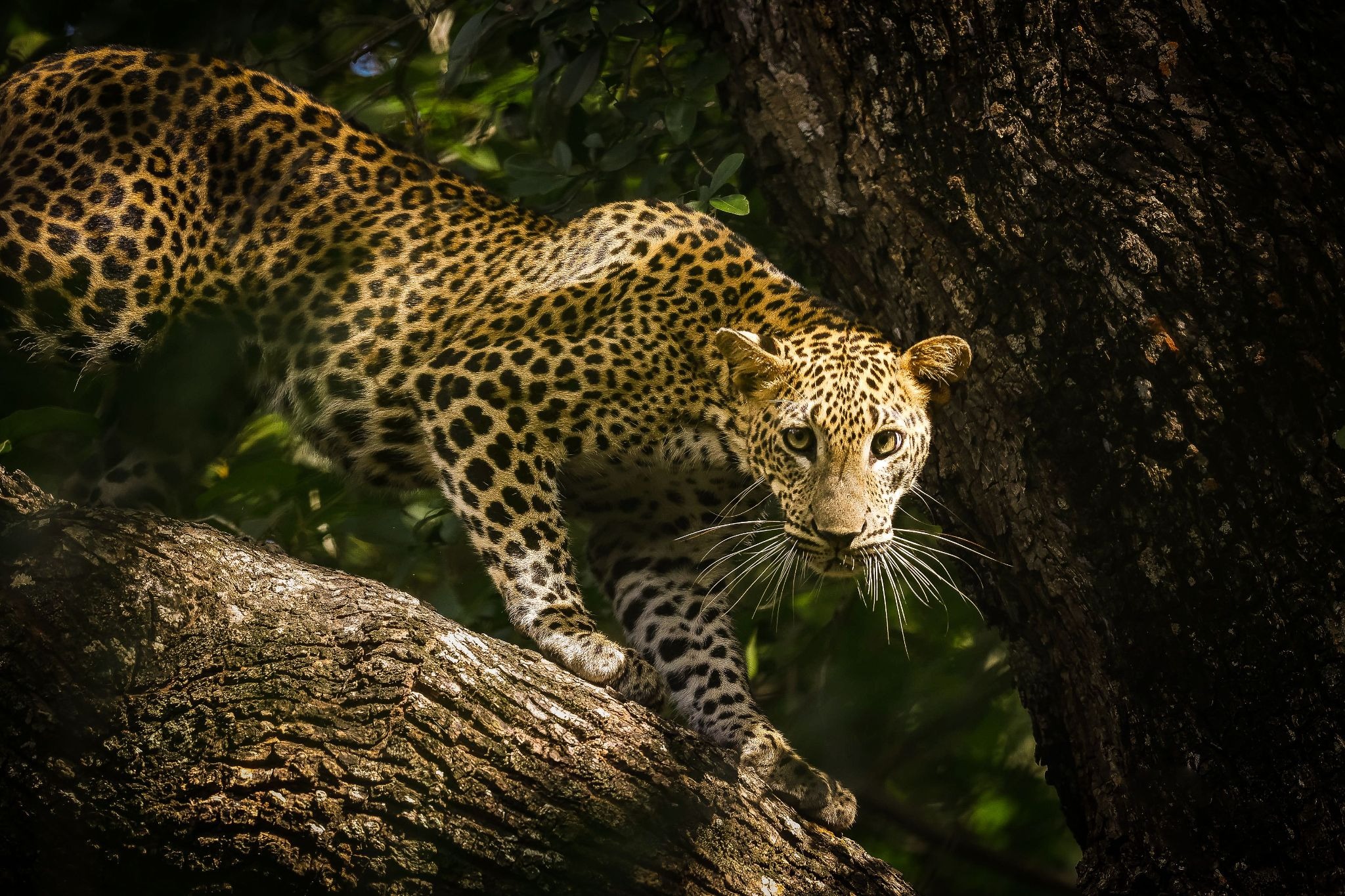
Leopards are among Wilpattu's biggest attractions. These elusive cats move through the forest and scrub, sometimes resting on branches or rocks, and sometimes crossing a track for only a few seconds.
A Wilpattu leopard safari can be exciting precisely because sightings are unpredictable. Your driver and tracker may look for pugmarks, movement in the undergrowth or alarm calls from deer and monkeys. Even with experience, however, nobody can guarantee that a leopard will appear.
If you do see one, allow it space and enjoy the moment without pressuring the driver to approach too closely. A distant sighting through the trees can be just as memorable as a closer view.
Sloth Bears
The sloth bear is another animal that makes Wilpattu particularly interesting. Although sightings are not assured, the park provides habitat for this distinctive species, which may be seen moving through the forest in search of food.
These bears can be difficult to spot in dense vegetation. Your tracker may notice movement or signs of feeding before you see the animal itself. Keep your camera ready, but follow your guide's advice and never encourage a bear to approach the vehicle.
Elephants and Other Mammals
Asian elephants also inhabit Wilpattu. You may encounter an individual or a small group feeding in a clearing, although sightings vary with location, season and daily conditions.
Other mammals include spotted deer, sambar deer, wild boar, jackals and several species of mongoose. Water buffalo may be seen around suitable wetland habitats, while monkeys are often easier to observe among the trees.
Birds and Reptiles
Birdlife adds interest even when the larger mammals remain hidden. Depending on the season and habitat, you may see painted storks, egrets, herons, eagles and Sri Lankan junglefowl.
Monitor lizards and crocodiles may also be encountered around water. If you enjoy birdwatching, bring binoculars rather than relying entirely on a camera zoom. A quiet moment beside a villu can reveal far more activity than you first notice.
Wilpattu vs Yala: Which Safari Should You Choose?
One of the most common questions for visitors planning a wildlife holiday is whether to choose Wilpattu or Yala. Both are excellent options, but they offer different experiences.
Yala is Sri Lanka's best-known safari destination, particularly for leopard watching. Some areas have open terrain and established safari routes, and its popularity means that wildlife sightings can attract several vehicles, especially during busy periods.
Wilpattu is known for its extensive forest, natural lakes and quieter atmosphere. Its landscape can feel more secluded, although visitor numbers and vehicle traffic vary by date and location. Its size also means that a safari may involve longer stretches of driving between promising habitats.
Neither park is automatically better for every traveller. If your priority is a famous leopard destination and you are travelling through the south, Yala may be the natural choice. If you enjoy forest scenery, birdlife and the prospect of a less hurried safari, Wilpattu may suit you better.
You can explore the Yala National Park destination guide to compare its landscape and safari experience with Wilpattu before deciding.
For travellers with enough time, visiting both parks can provide a broader picture of Sri Lanka's wildlife. If your holiday is shorter, choose the park that fits your route and interests rather than spending too much of your trip travelling between destinations.
Best Time to Visit Wilpattu National Park
Timing can influence your safari experience, but there is no single month that guarantees the best wildlife sightings.
February and October are often highlighted as favourable months to visit Wilpattu. The broader dry periods can also be useful for planning, although conditions vary from year to year. During drier spells, animals may visit available water sources, and vegetation in some areas may be less dense.
Rainfall changes the experience. After rain, the park can look lush and fresh, and birdlife may be rewarding. However, water becomes more widely available, and thick vegetation can make animals harder to spot. Heavy rain may also affect track conditions.
Morning or Afternoon Safari?
Early morning is a popular choice because the park is cooler and wildlife may be active before the heat builds. An afternoon safari offers a different atmosphere, with changing light across the forest and opportunities to observe animals becoming active later in the day.
A half-day safari is suitable for many first-time visitors. If you are a keen wildlife photographer or prefer a slower pace, a longer outing may give you more time to explore different habitats.
Whatever time you choose, arrive with realistic expectations. Wildlife moves freely, and the experience depends on conditions inside the park rather than a fixed schedule of sightings.
How to Get to Wilpattu National Park
Wilpattu is in north-western Sri Lanka, west of Anuradhapura and north of Puttalam. The main visitor entrance at Hunuwilagama is commonly used by travellers approaching from the Anuradhapura side.
Anuradhapura is a practical base if you want to combine a safari with Sri Lanka's ancient heritage. The historic city is home to monumental stupas, sacred sites and the remains of an early royal capital. You can explore the archaeological sites on one day and arrange a safari on another, without rushing between the two experiences.
Puttalam and the surrounding north-western region can also work as part of a wider itinerary. Your journey time will depend on your starting point, traffic and road conditions, so allow a generous travel window rather than planning a tight connection after a long drive.
A private vehicle can make this part of the trip more comfortable, especially if Wilpattu is one stop on a longer round tour. A flexible itinerary also gives you room to add an overnight stay instead of travelling to the park and immediately continuing to another destination.
How Much Is the Entrance Fee to Wilpattu National Park?
The entrance fee depends on visitor category and the applicable tariff. International visitors should budget for more than the basic park ticket alone, as the total may include service charges, vehicle-related fees and taxes. Safari jeep hire is generally a separate cost unless it is included in a package.
As prices and payment arrangements can change, check the current charges before your visit. The Department of Wildlife Conservation's online permit reservation service is the official starting point for checking park permits and reservation requirements.
When comparing safari prices, ask what is included. A quote might cover only the jeep, or it may include the park permit, tracker, hotel transfers and other arrangements. Confirm whether the price is per person or per vehicle, how long the safari lasts, and whether any additional charges are payable at the entrance.
If you are travelling with children, ask about the applicable child rates and age categories before budgeting. Having these details confirmed in advance makes it easier to compare options fairly.
Where to Stay and How Long to Spend
For many visitors, one safari is enough to introduce them to Wilpattu. However, if wildlife is a central reason for your trip, staying nearby for a night or two can make the experience less rushed.
Accommodation options in the wider area range from simple guesthouses to nature-focused lodges and more comfortable properties. Choose a place that suits your preferred level of comfort and provides practical access to your intended entrance.
Staying close to the park can make an early start easier. Check the transfer distance carefully, because a property described as being near Wilpattu may still require a substantial drive to the gate you plan to use.
Two nights can be a good option if you want time for a morning safari, a relaxed afternoon and perhaps a second drive. More time does not guarantee a leopard sighting, but it gives you another opportunity to experience the park under different conditions.
Practical Tips for a Better Wilpattu Safari
A little preparation can make a big difference, particularly if this is your first safari in Sri Lanka.
Wear neutral colours: Lightweight clothing in earthy shades is comfortable and practical for a dusty safari.
Bring sun protection: Pack a hat, sunscreen and sunglasses, even for an early departure.
Carry water: A reusable bottle helps you stay hydrated in the heat.
Pack binoculars: They are useful for birds and animals that remain at a distance.
Protect your camera: Dust can be a problem on dry tracks, so use a suitable bag or cover.
Follow your tracker: Local experience can help you interpret animal behaviour and notice signs you might otherwise miss.
Keep noise down: Quiet observation is better for wildlife and for other visitors.
Never feed animals: Feeding wildlife can change natural behaviour and create risks for both animals and people.
Be patient: A stretch without sightings is part of a genuine wildlife experience, not a failed safari.
If travelling with young children, consider the length of the drive, the early start and the availability of suitable facilities. A shorter safari may be more enjoyable than a full day in a jeep, particularly during hot weather.
Is Wilpattu National Park Worth Visiting?
Absolutely, especially if you are drawn to wild landscapes rather than expecting a guaranteed close-up of a particular animal. Wilpattu combines a distinctive network of natural lakes with dry-zone forest, diverse birdlife and the possibility of seeing leopards, sloth bears and elephants.
It is also a worthwhile choice for travellers who want to explore beyond Sri Lanka's most familiar tourist circuit. Pairing the park with Anuradhapura adds a cultural dimension to the journey, while a carefully planned round tour can connect wildlife with beaches, ancient cities and the hill country.
Among Sri Lanka national parks, Wilpattu stands out for its scale and atmosphere. It rewards travellers who are comfortable slowing down, watching carefully and allowing nature to set the pace.
For a more complete wildlife itinerary, explore Gecko Travels Lanka's Sri Lanka wildlife and safari experiences. With the right route, Wilpattu can become much more than a single safari stop it can be one of the most memorable parts of your Sri Lankan holiday.